

In early 2026, tokenized US stocks have transitioned from niche experiments to cornerstone collateral assets in decentralized finance, reshaping how investors leverage on-chain equities lending. Platforms like Kamino and Falcon Finance now accept tokens such as AAPLx, TSLAx, and SPYx, backed by real shares custodied off-chain, enabling seamless borrowing of stablecoins without selling underlying positions. This fusion of tokenized stocks DeFi collateral with protocols powered by Chainlink oracles marks a maturation point, where real-world assets RWA collateral 2026 finally delivers on promises of liquidity and composability.
The momentum builds on 2025's tokenized RWA surge, as noted in CoinDesk's State of the Blockchain report, but 2026 integrations propel it forward. Backed Finance's xStocks, fully backed ERC-20 and SPL tokens mirroring stocks like NVDAx and MSTRx, now underpin yield-bearing strategies. No longer confined to trading on Bybit or Kraken, these assets flow permissionlessly into lending markets, a development Forward Industries' Opening Bell and Backpack's SEC-registered offerings foreshadowed.
Key Integrations Driving On-Chain Equities into Lending Markets
Recent DeFi Collateral Breakthroughs
- Ondo x Chainlink: Tokenized stocks like SPYon, QQQon, TSLAon now collateralize Ethereum loans on Euler via real-time pricing.
- Falcon x Backed xStocks: Mint USDf using fully backed TSLAx, NVDAx, MSTRx, SPYx, CRCLx as yield-bearing collateral.
- Kamino Lend xStocks: First major protocol accepting AAPLx (Apple stock) collateral on Solana with Chainlink Data Streams.

Ondo Finance's collaboration with Chainlink delivers real-time pricing for assets like SPYon and TSLAon, unlocking their use on Euler and similar Ethereum protocols. Previously shunned due to oracle gaps, these tokenized ETFs DeFi integration now support overcollateralized loans, with institutions eyeing stablecoin borrows against diversified exposures. Falcon Finance takes it further by letting users mint USDf directly from xStocks, transforming static holdings into dynamic, yield-accruing positions. Regulated custodians ensure 1: 1 backing, mitigating counterparty risks that plagued earlier synthetics.
On Solana, Kamino Lend pioneers with its xStocks market, starting with AAPLx. Borrowers post tokenized Apple shares, tap Chainlink Data Streams for liquidation thresholds, and access USDC or other stables on-chain. This setup, detailed in recent Cryptonews reports, positions Solana as a high-speed hub for synthetic stocks borrow against strategies, outpacing Ethereum's gas constraints for retail users.




Mechanics of Borrowing Against Tokenized Equities
At its core, using on-chain equities as collateral mirrors traditional margin lending but with blockchain primitives. Deposit xStocks into a protocol vault; smart contracts assess loan-to-value ratios via oracles feeding live stock prices. For instance, posting $10,000 of TSLAx at 70% LTV yields $7,000 USDC, drawable instantly across DeFi. Liquidation triggers if collateral dips below thresholds, with premiums incentivizing keepers.
What elevates this is composability. Borrowed stables fund yield farms, options vaults, or perpetuals, amplifying returns without tax events from selling stocks. Aave's Horizon and Figure's OPEN platform hint at institutional scalability, where tokenized securities underpin GHO or RLUSD borrows. Yet, nuances persist: cross-chain bridges expose bridging risks, and custodian dependencies demand scrutiny. Read more on programmable equities enabling DeFi lending.
Risks and Rewards in the Evolving Landscape
Rewards abound for forward-thinkers. Non-US investors, via Backpack or Kraken expansions to BNB, sidestep geographic barriers, trading and collateralizing US equities 24/7. Yield from lending xStocks outstrips CeFi alternatives, often 5-10% APY on blue-chips, per Falcon's model. But risks loom: stock volatility amplifies liquidation cascades, as seen in past crypto winters, though Chainlink's multi-source feeds temper this.
Regulatory clarity edges closer, with Robinhood's tokenization and OffChain Labs' commentary suggesting seamless CeFi-DeFi flows. Securitize's Apollo fund debut proves tokenized credit can layer atop equities for leveraged plays. For protocols like Kamino, this isn't mere feature parity; it's redefining capital efficiency in DeFi. As on-chain equities lending scales, expect tokenized portfolios blending SPYx with treasuries, birthing hybrid strategies unseen in TradFi.
Check related insights on how tokenized US stocks bridge CeFi and DeFi.
Investors must weigh these dynamics carefully, prioritizing protocols with robust oracle integrations and transparent custodians. Falcon Finance's USDf minting exemplifies best practices, blending backing assurance with DeFi yields that traditional brokers can't match.
Comparative Overview of Leading Protocols
Comparison of DeFi Protocols Accepting Tokenized Stocks as Collateral
| Protocol | Chain | Supported Assets (e.g., AAPLx, TSLAx) | LTV Range | Oracle Provider |
|---|---|---|---|---|
| Kamino | Solana | AAPLx | 60-75% | Chainlink |
| Falcon Finance | Multi | xStocks suite (TSLAx, NVDAx, MSTRx, SPYx, CRCLx) | 65-80% | Chainlink |
| Ondo Finance / Euler | Ethereum | SPYon, QQQon, TSLAon | 50-70% | Chainlink |
Executing Your First On-Chain Equity Loan: Borrow USDC Against TSLAx on Falcon Finance (65-80% LTV)

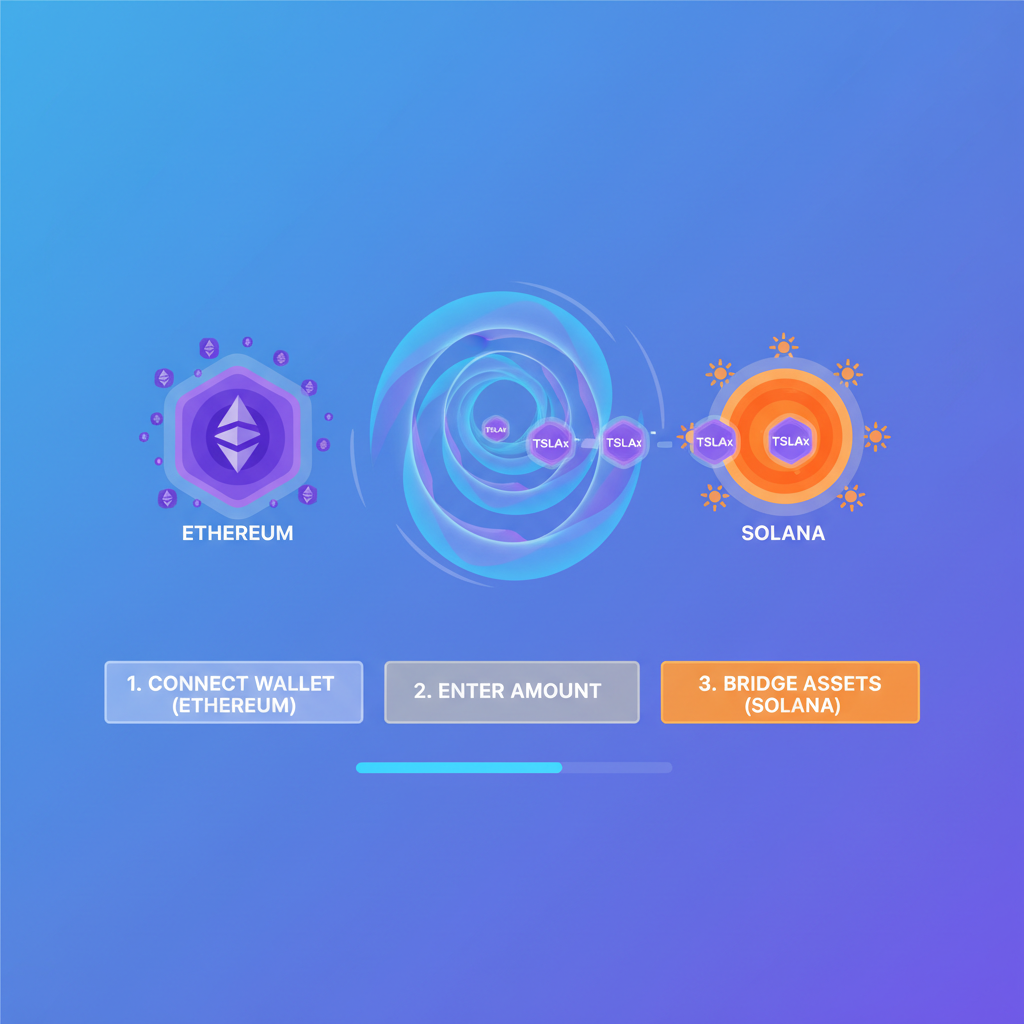
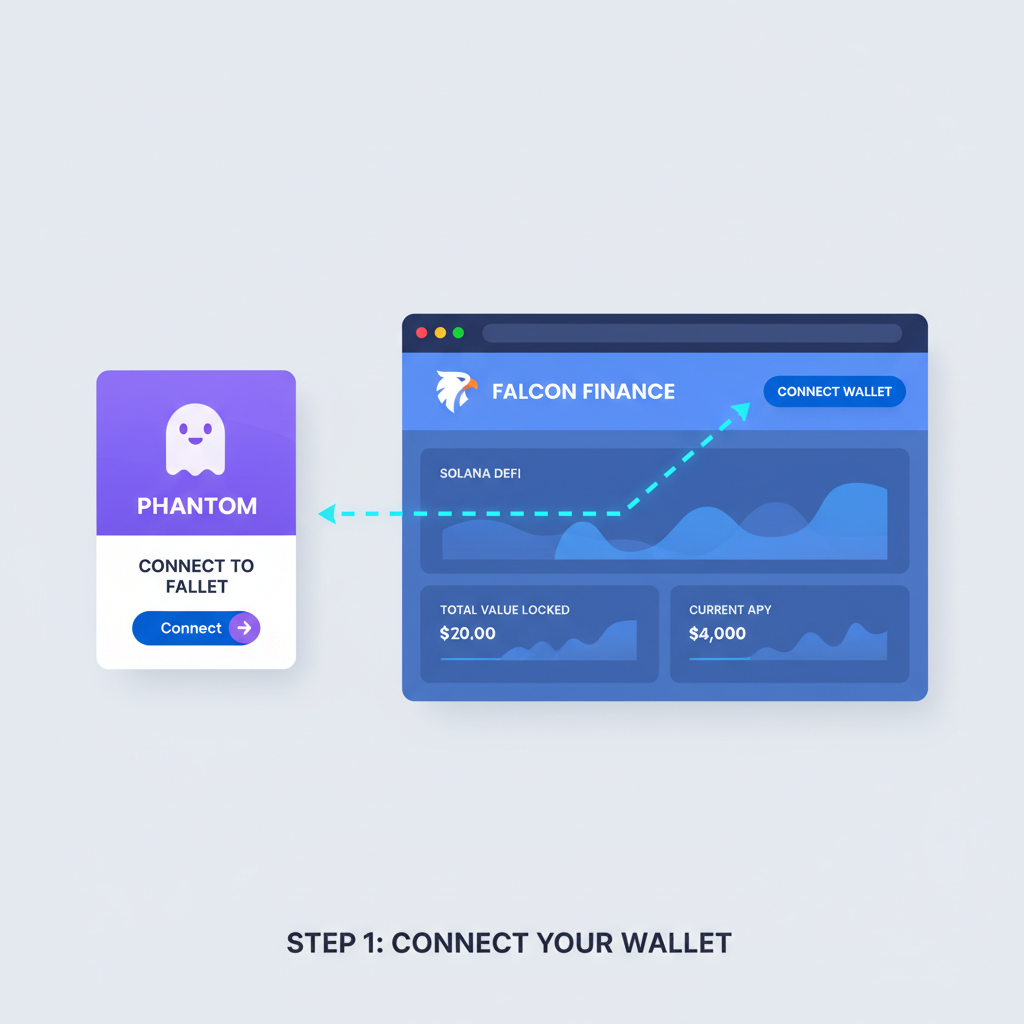
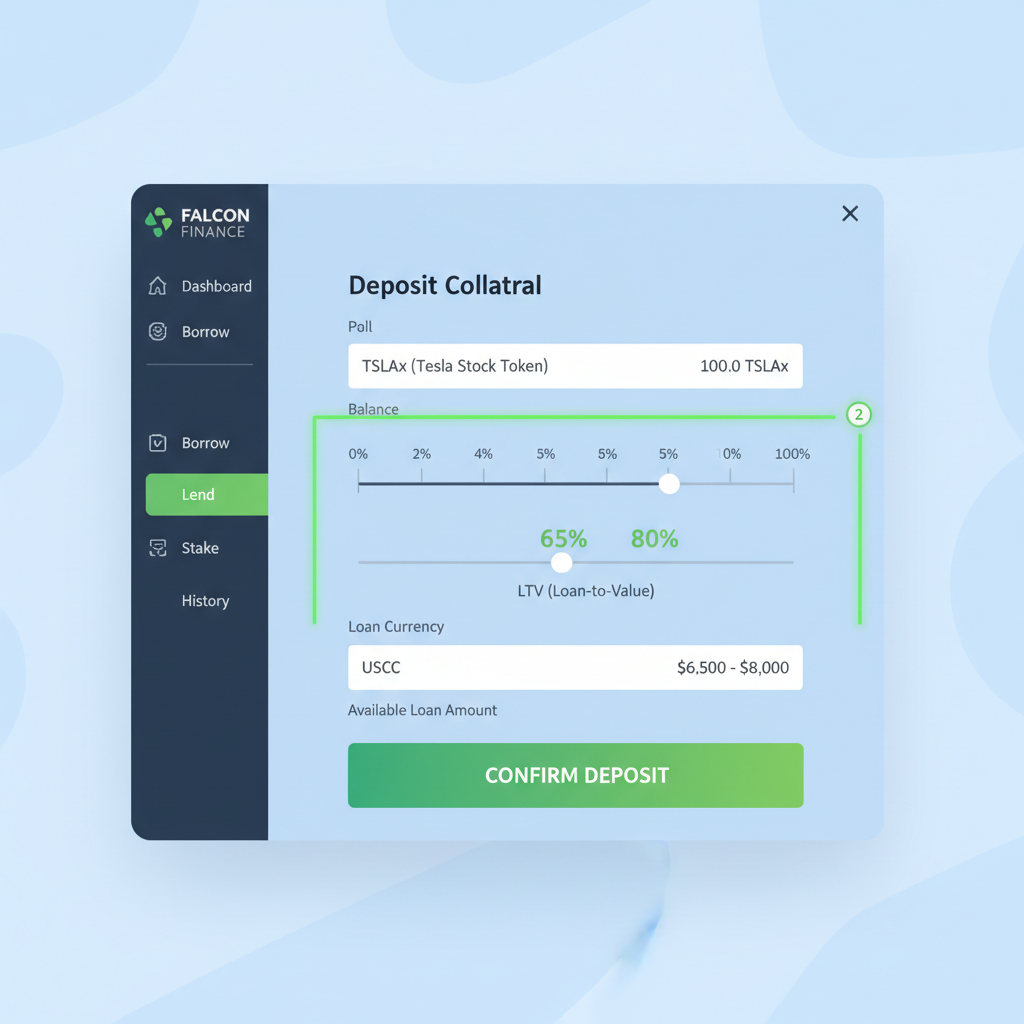
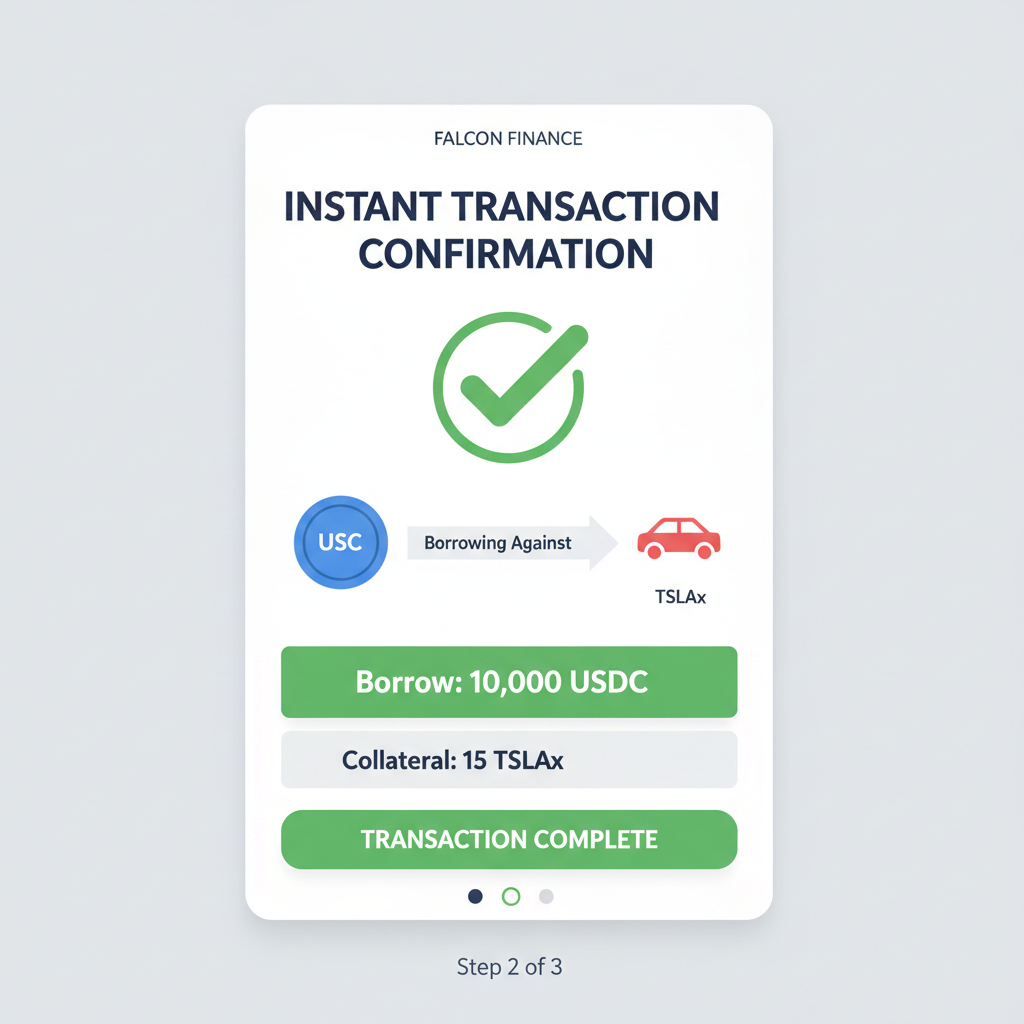
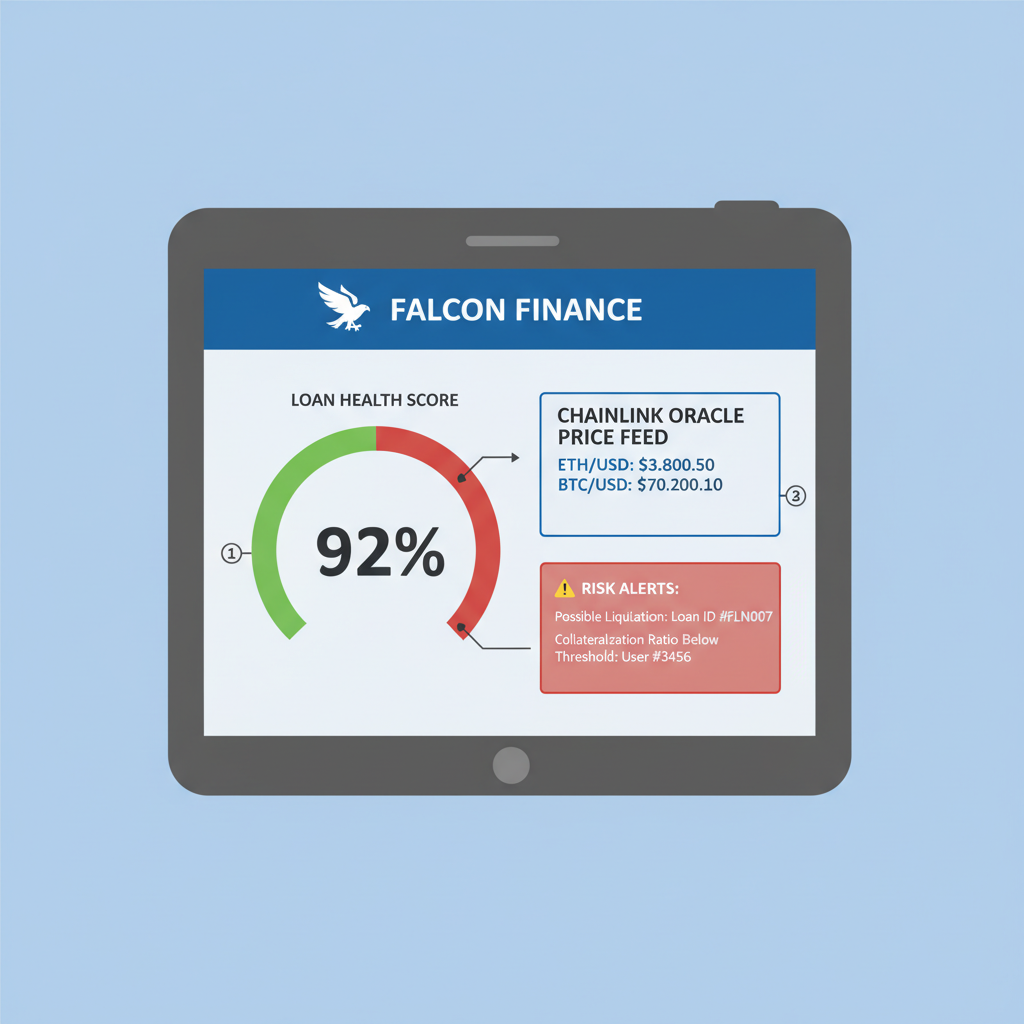
Navigating these steps reveals the elegance of blockchain composability. Post-borrow, deploy USDC into Kamino's yield vaults or Aave's GHO markets for compounded returns. Unlike CeFi margin calls, on-chain transparency lets you preempt risks via automation, such as keepers or self-liquidation tools emerging in 2026.
Yet, this space demands sophistication. Tokenized ETFs DeFi integration via SPYon opens diversified plays, but correlation risks in equity crashes could cascade across chains. Protocols counter with dynamic LTV adjustments, Chainlink's Data Streams updating prices sub-second. Falcon's model, minting yield-bearing USDf, innovates by embedding lending rewards directly into the synthetic dollar, a tactic poised for wider adoption.
Looking ahead, Figure's OPEN and Aave Horizon signal institutional floodgates opening. Qualified entities posting tokenized Apollo funds or HOOD shares will borrow RLUSD at scale, fueling on-chain stock lending loops. Non-US users, empowered by Backpack's SEC-compliant tokens, already trade NVDAx globally, collateralizing without KYC hurdles plaguing TradFi.
Solana's edge sharpens with Forward Industries' Opening Bell, tokenizing direct issuances under SPL standards. Imagine borrowing against fresh IPOs on-chain, settling T and 0. This converges with Kraken's BNB expansions, fragmenting silos as xStocks migrate cross-chain.
For retail strategists, hybrid portfolios shine: collateralize SPYx for stables, pair with treasuries for hedged yields. Risks persist, from smart contract exploits to regulatory pivots, but audited protocols like Kamino mitigate these. As real-world assets RWA collateral 2026 embeds deeper, capital efficiency rivals Wall Street, minus the gatekeepers.
Explore further on Ethereum's tokenized stock evolution, where these trends first took root.




No comments yet. Be the first to share your thoughts!