
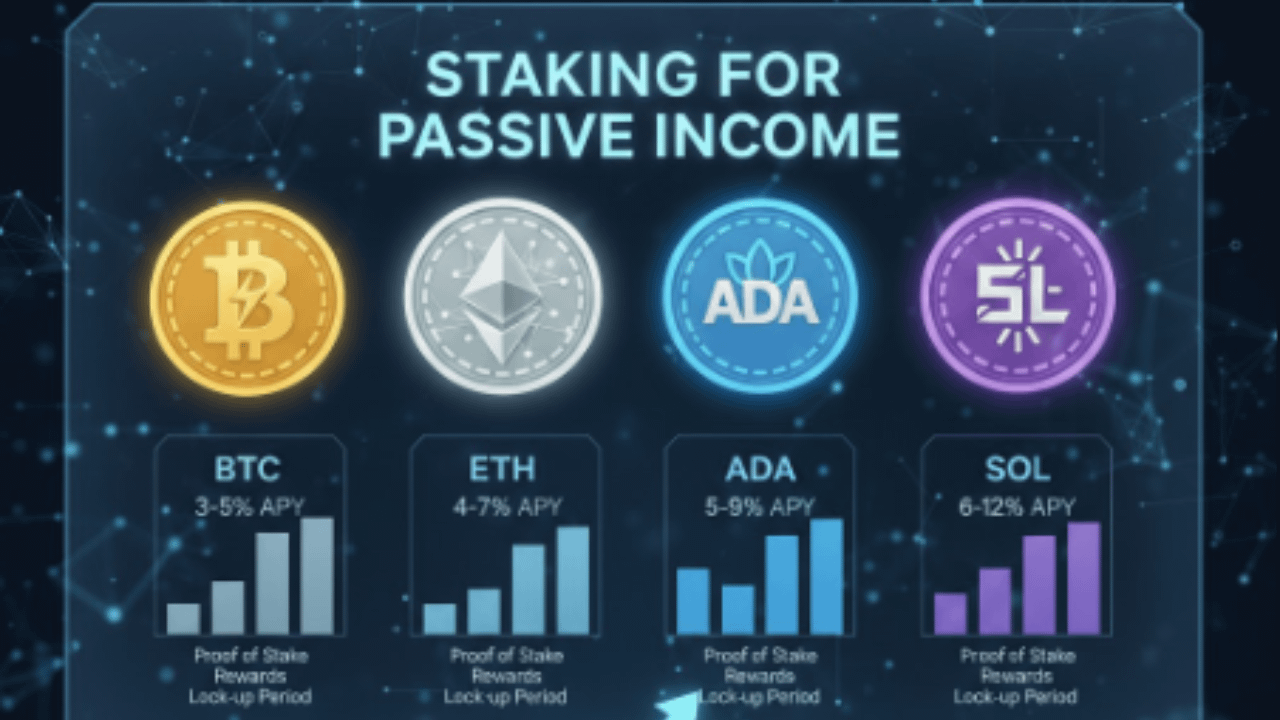
5 High-Yield Crypto Staking Coins for Passive Income in 2026
Ethereum's post-merge yield and Solana's validator rewards offer distinct passive income vectors, yet they carry specific slashing risks and network congestion vulnerabilities. This selection prioritizes established protocols with transparent on-chain data over speculative new launches.
1. Ethereum staking with liquid derivatives
Ethereum staking offers a foundational yield, but locking assets reduces liquidity. Liquid derivatives like stETH or rETH solve this by tokenizing your stake, allowing you to earn ~3-5% APY while still using the asset in DeFi protocols for additional yield. This dual-layer approach maximizes capital efficiency, though it introduces smart contract risk if the derivative protocol fails or faces regulatory scrutiny regarding its reserve backing.
2. Solana high-throughput staking rewards
Solana’s architecture enables rapid transaction finality, supporting higher validator rewards compared to slower chains. Stakers can typically earn 6-8% APY by delegating to high-performance validators. However, the network’s history of outages requires careful validator selection. Choose validators with strong uptime records and low commission fees to ensure consistent reward distribution without exposing your stake to unnecessary technical failure risks.

3. Cosmos interoperability yield opportunities
The Cosmos ecosystem allows assets to move between independent blockchains via IBC. Staking ATOM provides governance rights and ~15-20% APY, but the real opportunity lies in bridging to other Cosmos zones for higher yields. While this interoperability expands earning potential, it increases exposure to cross-chain bridge vulnerabilities. Always verify the security audits of the specific zone you are staking in to mitigate bridge hack risks.

4. Polkadot parachain slot staking
Polkadot’s unique model involves bonding DOT to secure a parachain slot, offering potentially higher yields than standard NPoS staking. This method supports specific application chains but requires a longer lock-up period and higher capital commitment. The complexity of evaluating parachain viability adds risk; if a parachain fails to gain adoption, your bonded assets remain locked with limited liquidity, impacting overall portfolio flexibility.
5. USDC stablecoin DeFi lending yields
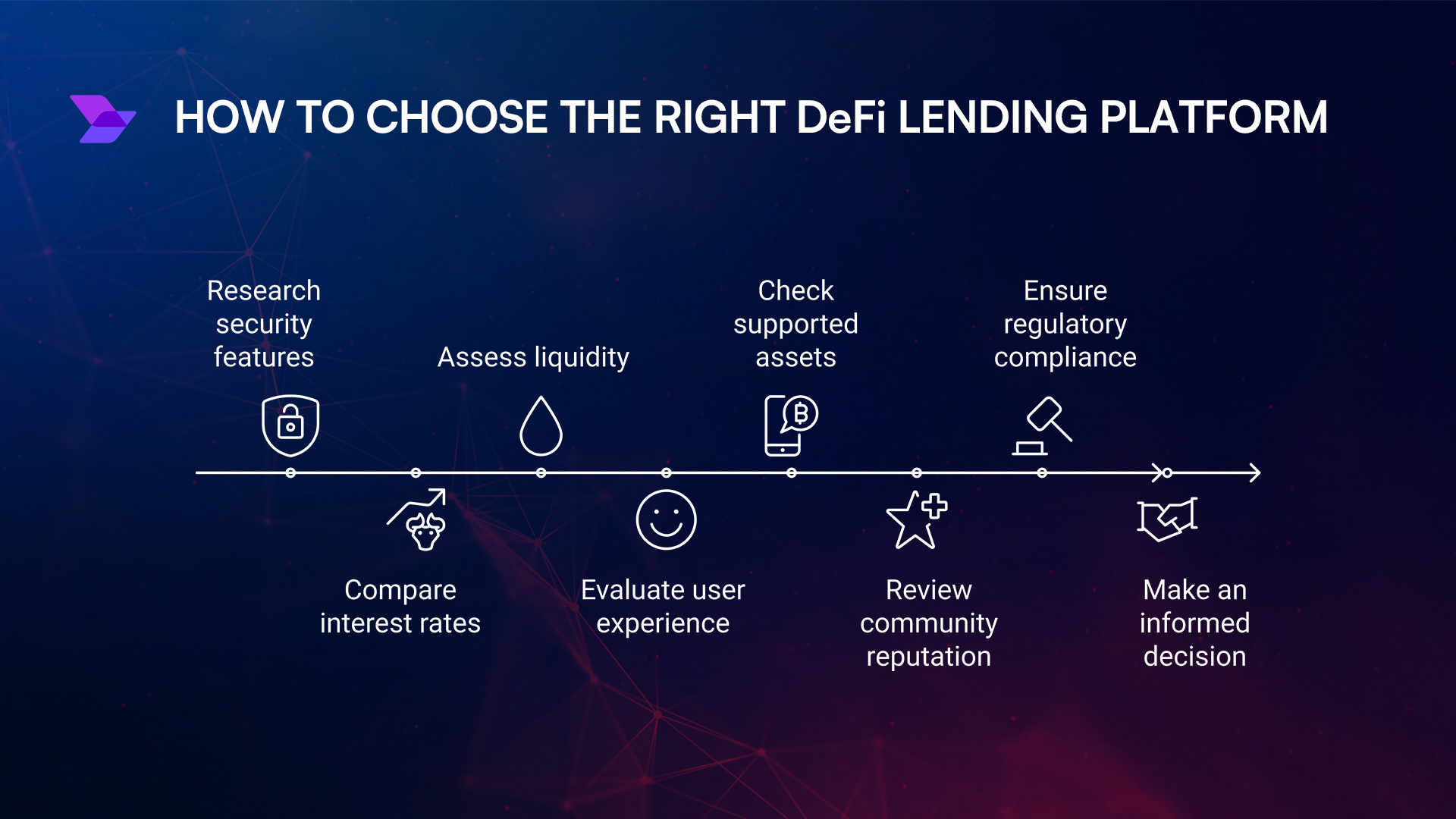
For risk-averse investors, USDC lending on established platforms like Aave or Compound offers 2-5% APY with minimal volatility. Unlike volatile assets, stablecoin yields derive from borrowing demand, providing predictable income. However, regulatory pressure on stablecoin issuers and smart contract exploits remain significant threats. Diversify across multiple audited protocols to mitigate the risk of a single point of failure compromising your principal.
How staking yields work in 2026
Crypto staking rewards are not guaranteed interest payments. They are incentives paid by networks to validate transactions and secure the blockchain. In 2026, understanding this distinction is critical because high yields often signal higher protocol risk rather than superior investment quality.
Most high-yield coins rely on Proof-of-Stake (PoS) mechanics. When you stake assets like Ethereum or Solana, you lock them to help process blocks. The network rewards you with newly minted tokens or transaction fees. This creates a direct link between network activity and your yield. If network usage drops, so does your reward rate.
Lock-up periods significantly impact your actual returns. Many high-yield protocols require you to lock assets for 30 to 90 days or longer. During this time, you cannot sell if the market crashes. This illiquidity premium is what drives yields above 10%, but it also means you can miss upward price movements if you need to exit quickly.
Regulatory shifts in 2026 add another layer of complexity. The U.S. Commodity Futures Trading Commission (CFTC) has intensified its "crypto sprint," focusing on how staking services are classified and regulated. Platforms must now navigate stricter compliance requirements, which can change how yields are distributed or even restrict access for certain jurisdictions.
Always evaluate the source of the yield. If a coin offers 20% APY, ask whether it comes from real network revenue or token inflation. Inflationary rewards are sustainable only as long as demand for the token grows faster than the new supply. Without that growth, high yields become a mechanism to dilute your holdings rather than enrich them.
Exchange versus self-custody staking
Choosing where to stake your coins determines who controls your keys and who bears the risk. Exchanges like Binance offer a streamlined experience, aggregating staking options into a single marketplace that mirrors the platform's massive scale. You stake directly within the app, avoiding the technical friction of managing validator nodes or interacting with smart contracts. However, this convenience comes with a trade-off: you are trusting a centralized entity with your assets. If the platform faces liquidity issues or regulatory scrutiny, your staked coins may be frozen or inaccessible.
Self-custody staking shifts control to you but demands higher technical competence. You must manage your own private keys, select validators, and handle the complexities of delegation. While this eliminates counterparty risk from the platform, it introduces the risk of user error. A lost seed phrase or a misconfigured wallet can result in the permanent loss of your staked assets. Additionally, many self-custody solutions require you to lock your funds for extended periods, limiting your ability to react to market shifts.
The regulatory landscape adds another layer of complexity. In the United States, the CFTC has accelerated its oversight of crypto markets, signaling a more rigorous enforcement environment. This regulatory momentum means that exchanges operating staking services must navigate evolving compliance requirements, which could impact service availability or yield structures. Understanding these distinctions is essential for anyone seeking passive income through staking.
| Feature | Centralized Exchange | Self-Custody |
|---|---|---|
| Key Control | Platform holds keys | You hold keys |
| Ease of Use | High (one-click staking) | Low (technical setup) |
| Regulatory Risk | Platform faces scrutiny | User bears compliance risk |
| Asset Recovery | Platform support | No recovery if keys lost |


As an Amazon Associate, we may earn from qualifying purchases.
Frequently asked questions about crypto staking
Do 68% of American millionaires own crypto?
Recent Motley Fool research suggests that 68% of American millionaires hold cryptocurrency in their portfolios. This high adoption rate among high-net-worth individuals often signals a strategic move to diversify beyond traditional assets rather than a guarantee of passive income. While these investors may have higher risk tolerance, their success does not account for the specific volatility of staking rewards or the potential for smart contract exploits that can affect smaller retail investors.
Is crypto staking considered a security?
The regulatory landscape for staking is shifting rapidly. The CFTC launched a "crypto sprint" in August 2025, signaling increased scrutiny of digital asset platforms. Whether staking qualifies as a security often depends on the level of managerial effort required by the network operators. Investors should assume that staking rewards may be subject to future regulatory changes, tax implications, or restrictions depending on the jurisdiction and the specific blockchain protocol.
Can I lose my staked coins?
Yes, staking is not risk-free. Technical risks include smart contract bugs, validator slashing (penalties for downtime or misbehavior), and network upgrades that may devalue the asset. Unlike a traditional savings account, there is no FDIC insurance for crypto staking. If a platform you use goes bankrupt or suffers a hack, your staked assets may be irretrievable. Always verify the security audits of the staking provider and understand the unbonding periods before locking your funds.
No comments yet. Be the first to share your thoughts!