
Crypto market trends 2026
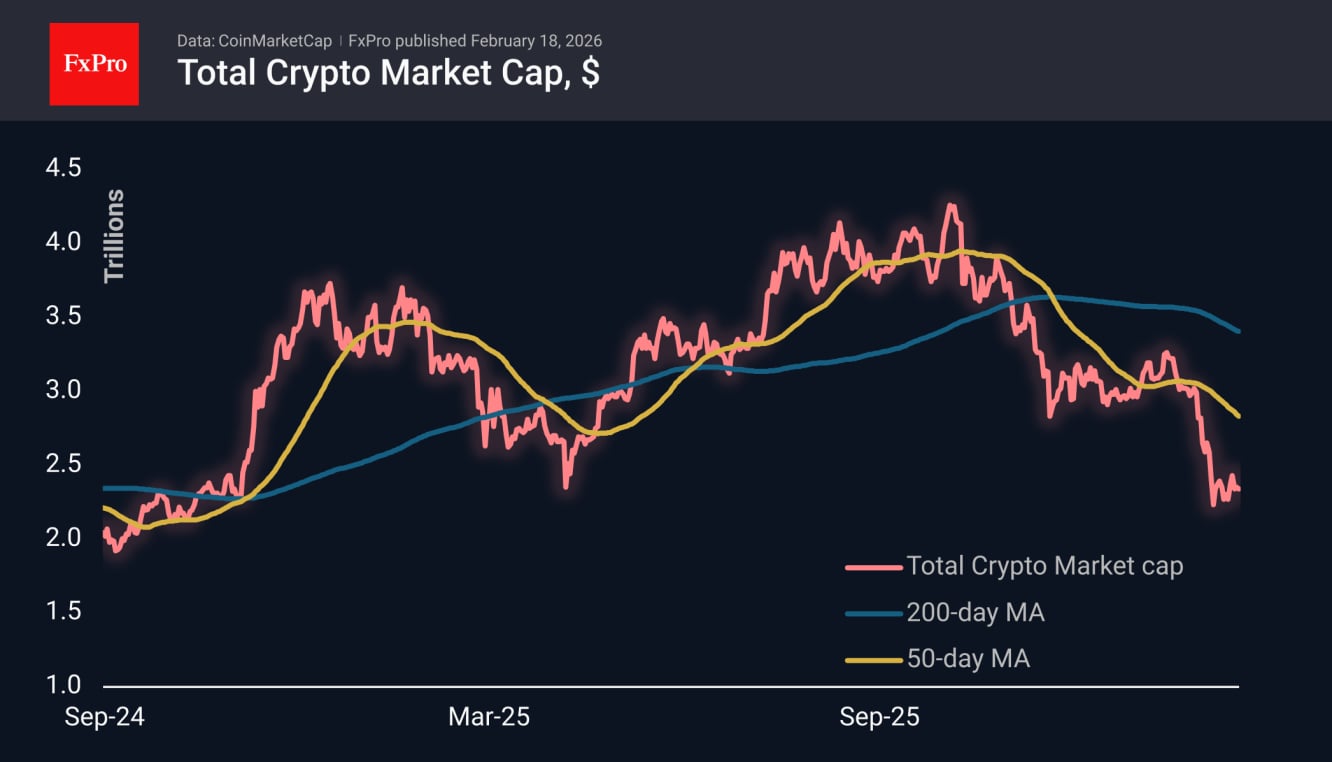
The 2026 crypto market is defined by a divergence between institutional stability and retail volatility. While Bitcoin and Ethereum have shown resilience against traditional stock market fluctuations, the broader landscape remains fragmented. Major research firms like Pantera Capital note that after modest declines in 2025, performance deteriorated sharply, with altcoins like Solana facing significant headwinds. This suggests that 2026 is less about blanket rallies and more about selective accumulation in high-conviction assets.
Institutional players are focusing on macroeconomic shifts, regulatory clarity, and the tokenization of real-world assets. Coinbase’s 2026 outlook highlights these themes as primary drivers, moving beyond speculative hype toward utility. For investors, this means the "crypto market trends 2026" are less about exponential growth across the board and more about structural integration with traditional finance.
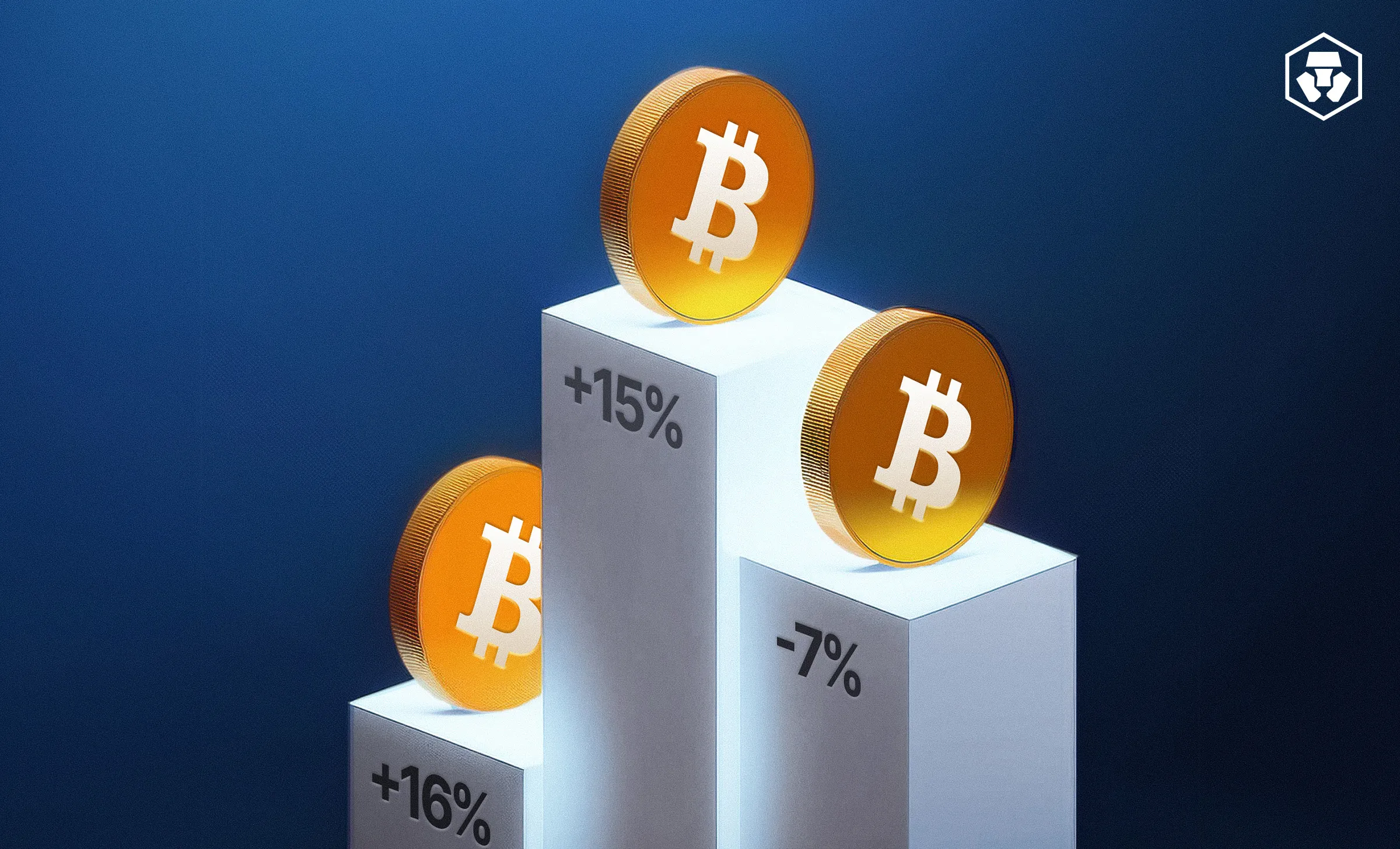
The key takeaway is risk management. With Bitcoin finishing 2025 down roughly 6% and Ethereum declining 11%, the market has already priced in some downside. Entering 2026 requires a clear thesis: are you buying for long-term store-of-value stability or short-term volatility plays? The current trend favors the former, but only for assets with proven network effects and regulatory compliance.
Crypto market trends 2026 choices that change the plan
Bitcoin and Ethereum are outperforming traditional stocks in 2026, but the spread isn't uniform. The market has bifurcated: established assets with institutional infrastructure are gaining ground, while speculative altcoins face headwinds from higher interest rates and stricter compliance. To navigate this, you need to evaluate specific tradeoffs rather than betting on broad sector momentum.
Volatility vs. Institutional Stability
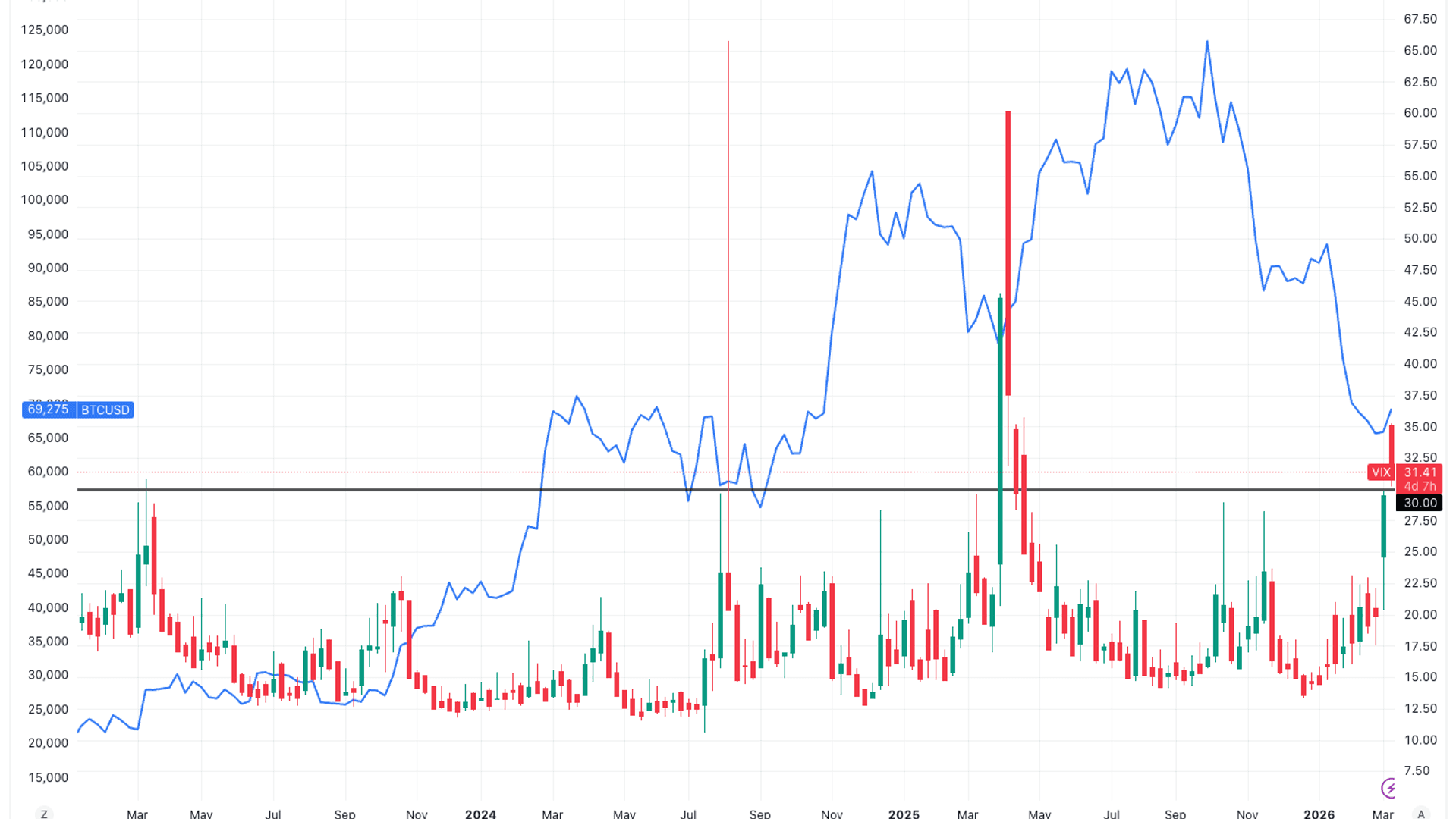
Bitcoin’s recent performance shows a shift toward institutional stability, yet it remains volatile compared to the S&P 500. The key tradeoff here is liquidity depth versus price stability. Large-cap cryptos can absorb institutional inflows without the same slippage seen in smaller caps, but they still react sharply to macroeconomic data releases. Ethereum faces a different dynamic; its performance is tied closely to network activity and staking yields, which can lag during market downturns. You are trading potential high-beta returns for slightly more predictable, though still significant, drawdowns.
Regulatory Clarity vs. Decentralization
2026 marks a turning point for regulatory clarity, particularly in the US and EU. Assets with clear legal status, like spot Bitcoin ETFs, offer a safer entry point for traditional investors but come with custodial risks. Decentralized alternatives offer true self-custody but expose you to smart contract vulnerabilities and lack the same legal protections. The tradeoff is between the convenience and safety of regulated on-ramps and the freedom and risk of direct blockchain interaction. As tokenization grows, this gap may narrow, but for now, the choice defines your risk profile.
Yield Generation vs. Capital Appreciation
Ethereum’s staking mechanism offers a yield that competes with traditional bonds, but it locks up capital and introduces slashing risks. Bitcoin offers no native yield, relying entirely on price appreciation. The tradeoff is between passive income generation and pure capital growth. If you need cash flow, staking provides a steady return, but it reduces your ability to quickly exit positions during a crash. If you prioritize flexibility and long-term store of value, Bitcoin’s lack of yield is a feature, not a bug, keeping the asset lean and focused on price discovery.
| Asset | Volatility | Yield Potential | Regulatory Risk |
|---|---|---|---|
| Bitcoin (BTC) | High | None | Low |
| Ethereum (ETH) | Medium-High | Medium | Medium |
| S&P 500 | Low-Medium | Low | None |
| Small-Cap Crypto | Very High | Variable | High |
The data above highlights the stark differences in risk and return profiles. Bitcoin offers the lowest regulatory risk but no yield, while Ethereum balances yield with medium regulatory uncertainty. Traditional stocks provide stability but lack the asymmetric upside potential of crypto. Your choice depends on whether you prioritize yield, stability, or growth.
How to choose your next move in 2026
Bitcoin and Ethereum are outperforming traditional stocks, but the underlying market remains volatile. Instead of reacting to daily price swings, use this framework to decide whether to hold, adjust, or exit your position. The goal is to align your crypto exposure with your actual risk tolerance, not your fear of missing out.

Start by comparing your crypto allocation to your broader portfolio. If digital assets make up more than 5-10% of your net worth, you are likely overexposed to volatility. Review the 2026 market outlook from Coinbase Institutional to understand the current macro landscape. If your risk tolerance is low, consider trimming positions during market peaks rather than chasing momentum.
Price action alone doesn't tell the whole story. Look at on-chain data to see if institutional interest is growing or retreating. Pantera Capital notes that while Bitcoin finished 2025 modestly lower, the long-term trajectory depends on technological transformations and regulatory progress. Use tools like Glassnode or CryptoQuant to track active addresses and exchange flows before making a move.
Short-term traders often get wiped out by 2026's volatility. If you are investing for the long term, daily fluctuations are noise. If you are trading, set strict stop-losses. Ask yourself: "Will this price drop cause me to panic?" If the answer is yes, your position size is too large. Adjust your holdings to a level where you can sleep soundly regardless of whether Bitcoin hits a new all-time high or corrects by 20%.
Don't put all your eggs in one basket, even within the crypto ecosystem. While Bitcoin and Ethereum are leading the charge, altcoins like Solana have shown significant volatility. Consider spreading risk across different layers: a core holding in BTC/ETH for stability, and a smaller allocation to high-growth altcoins for potential upside. This approach balances the "safe haven" narrative of Bitcoin with the speculative growth of emerging chains.
Decide when you will sell before you decide to buy. Write down your exit criteria: "I will sell 20% if Bitcoin drops below $X" or "I will take profits if I double my initial investment." Stick to these rules. Emotional decision-making is the biggest enemy of long-term wealth in crypto markets. Review these rules quarterly and adjust only if your financial situation or market conditions fundamentally change.
Avoid the weak options
Use this section to make the Crypto Market Volatility decision easier to compare in real life, not just on paper. Start with the reader's actual constraint, then separate must-have requirements from details that are merely nice to have. A practical choice should survive normal use, maintenance, timing, and budget. If a recommendation only works in an ideal situation, call that out plainly and give the reader a fallback path.
The simplest way to use this section is to write down the must-have criteria first, then compare each option against those criteria before weighing nice-to-have features.
Crypto market trends 2026: what to check next
These questions reflect the primary concerns of investors navigating the 2026 landscape. The key is to separate hype from the structural shifts driving Bitcoin and Ethereum’s current performance.
No comments yet. Be the first to share your thoughts!