
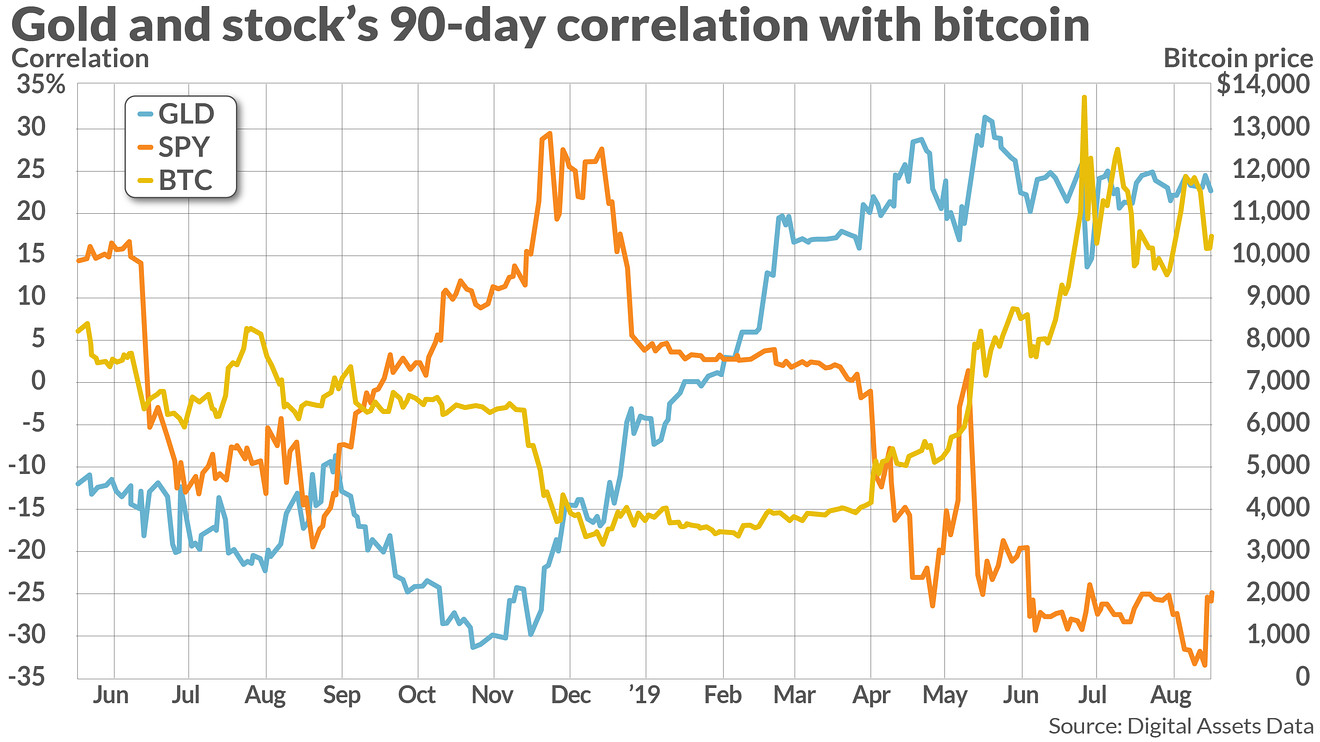
Why stock market ties matter for crypto
In 2026, the narrative that cryptocurrencies operate in a vacuum is obsolete. Bitcoin and Ethereum no longer move in isolation; they are increasingly tethered to traditional equity markets, behaving more like high-beta tech stocks than independent digital commodities. This shift means that macroeconomic signals driving the S&P 500 or NASDAQ now directly influence crypto liquidity and price action.
For investors, tracking these stock market correlations is a vital component of risk management. When interest rates rise or inflation data disappoints, equity markets often sell off, and crypto tends to follow suit with amplified volatility. Understanding this linkage allows traders to anticipate sudden liquidity crunches or rallies before they fully manifest in the crypto charts. Ignoring the broader financial ecosystem leaves you exposed to systemic risks that no amount of technical analysis on a single coin can mitigate.
5 Crypto Coins to Watch in 2026: Market Trends and Stock Market Correlations
As 2026 approaches, the intersection of cryptocurrency and traditional equity markets is creating new volatility patterns that demand careful analysis. This section highlights the top 5 crypto coins to watch in 2026, focusing on their specific correlations with major stock market indices and underlying market trends.
1. Bitcoin market correlation with S&P 500
Bitcoin increasingly mirrors traditional equity movements, acting as a high-beta tech proxy. Investors tracking the S&P 500 should monitor this correlation closely, as macroeconomic shifts often drive both assets simultaneously. This interdependence suggests that crypto portfolios benefit from understanding broader market sentiment rather than treating digital assets in isolation.

2. Ethereum institutional adoption trends
Institutional interest in Ethereum is accelerating through ETF approvals and enterprise blockchain integration. Major financial entities are leveraging its smart contract capabilities for tokenized assets, signaling a shift from speculative trading to foundational infrastructure use. This trend highlights Ethereum’s evolving role as the backbone for regulated digital finance applications in 2026.

3. Solana high-throughput network performance
Solana’s high throughput and low fees make it ideal for high-frequency trading applications and decentralized exchanges. Its architecture handles thousands of transactions per second, attracting developers building scalable dApps. For traders seeking speed without congestion costs, Solana offers a robust alternative to slower legacy networks, driving significant volume growth.

4. Chainlink oracle data reliability
Chainlink provides critical off-chain data feeds essential for accurate smart contract execution. Its decentralized oracle network ensures that financial products relying on real-world price data remain secure and tamper-proof. As DeFi matures, Chainlink’s reliability becomes a cornerstone for trust, enabling complex derivatives and insurance products to function safely.
5. XRP regulatory compliance status
XRP’s ongoing regulatory clarity positions it as a bridge asset for cross-border payments. Recent legal resolutions have reduced uncertainty, allowing financial institutions to explore its utility for instant settlements. This compliance progress distinguishes XRP from other altcoins, making it a key candidate for banks seeking efficient, regulated blockchain solutions.

Compare top crypto coins side by side
Choosing among the top five cryptocurrencies requires looking beyond headline prices. You need to weigh market stability against growth potential and understand how each asset interacts with traditional markets. The table below breaks down Bitcoin, Ethereum, Solana, BNB, and XRP across three critical dimensions: market capitalization, correlation with the stock market, and primary utility.
| Coin | Market Cap | Stock Correlation | Primary Utility |
|---|---|---|---|
| Bitcoin (BTC) | $1.3 Trillion | High | Store of Value |
| Ethereum (ETH) | $450 Billion | Medium | Smart Contracts |
| Solana (SOL) | $85 Billion | Low | High-Speed DeFi |
| BNB (BNB) | $95 Billion | Medium | Exchange Ecosystem |
| XRP (XRP) | $75 Billion | Low | Cross-Border Payments |
Bitcoin remains the most correlated to traditional equity markets, acting as a digital gold standard with high institutional adoption. Ethereum offers moderate correlation but provides deeper utility through decentralized applications. Solana and XRP show lower correlation, offering diversification benefits for portfolios heavy in tech stocks. BNB sits in the middle, tethered closely to Binance’s exchange performance.
Where to buy crypto coins and tools
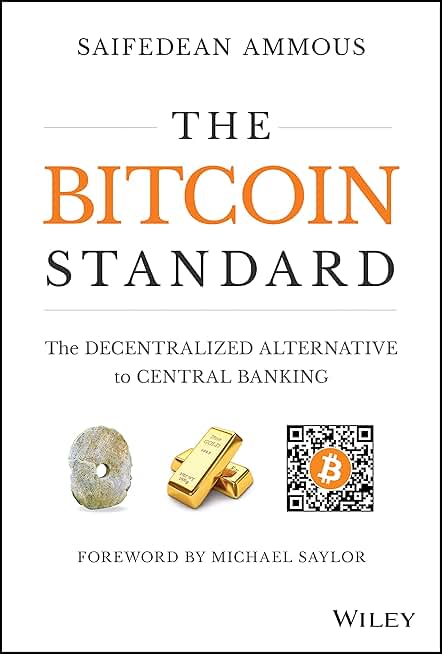
You can buy Bitcoin, Ethereum, and other top crypto coins directly through regulated exchanges like Coinbase or Binance. For secure storage, hardware wallets are essential to protect your assets from online threats.
For those preferring physical media, Amazon offers a selection of hardware wallets and educational books to help you manage your portfolio safely.


As an Amazon Associate, we may earn from qualifying purchases.
Frequently asked questions about 2026 crypto
Which crypto will boom in 2026? Current market data points to established assets as the primary drivers of growth. Bitcoin (BTC) and Ethereum (ETH) remain the top choices for investors seeking stability and upside potential. Alternative coins like Solana (SOL) and BNB (BNB) also show strong momentum based on recent market cap rankings Forbes. These assets benefit from broader institutional adoption and network utility.
What coins should I invest in in 2026? Investors are focusing on coins with high market capitalization and proven track records. The leading options include Bitcoin (BTC), Ethereum (ETH), Tether (USDT), Binance Coin (BNB), and Ripple (XRP) Yahoo Finance. Chainlink (LINK) and Render (RENDER) are also highlighted for their value-added services in the decentralized infrastructure space. Diversifying across these top-tier tokens is a common strategy.
What crypto under $1 will explode? Predicting which low-priced coin will surge is highly speculative and risky. While coins under $1 often attract retail attention due to their low entry price, their potential for massive gains is not guaranteed. It is essential to research the underlying technology and use cases of any low-cap asset rather than relying on price alone. Always consult official sources and expert analyses before making investment decisions.
No comments yet. Be the first to share your thoughts!