

The New York Stock Exchange's bold pivot toward tokenized stocks and ETFs signals a seismic shift in global markets, promising 24/7 stock trading on blockchain by 2026. As Intercontinental Exchange (ICE), NYSE's parent, unveils plans for a dedicated digital platform, investors stand at the cusp of seamless, on-chain access to traditional equities. This isn't mere experimentation; it's a calculated fusion of legacy infrastructure with blockchain efficiency, targeting instant settlements and stablecoin-settled equities to dismantle time zone barriers.
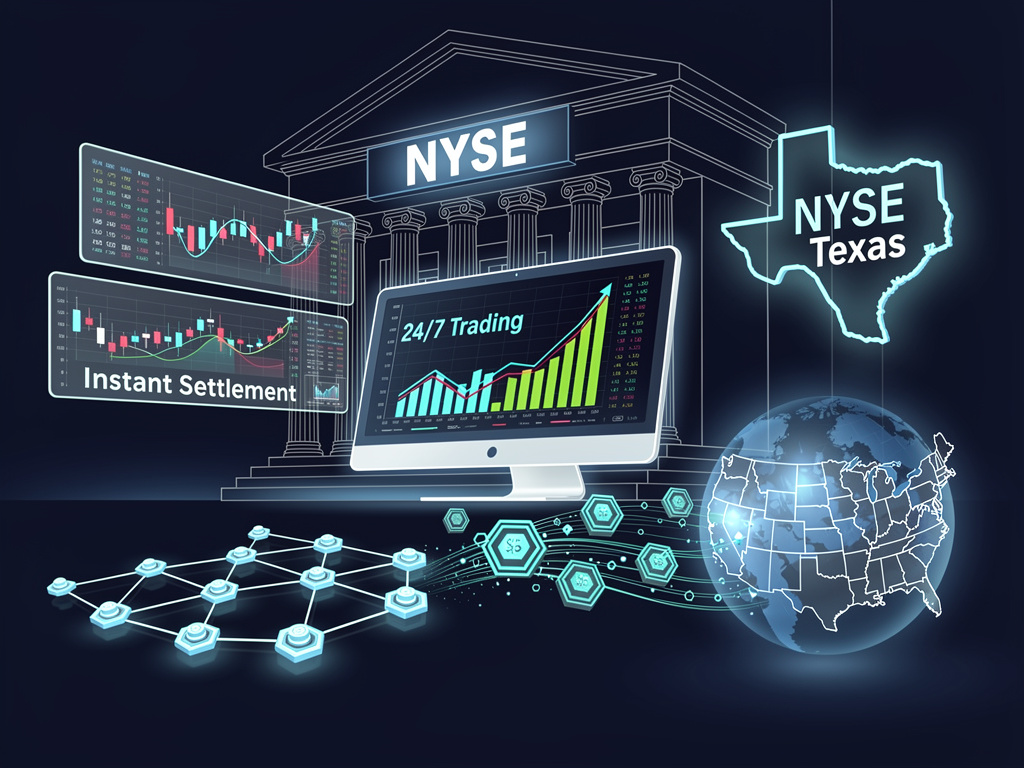
Picture trading Apple or SPY ETF shares at 3 a. m. from your crypto wallet, with funds clearing in seconds via USDC. Recent announcements confirm NYSE's platform will run parallel to its cash equities floor, leveraging the proven Pillar matching engine alongside blockchain for post-trade processing. Partnerships with titans like BNY Mellon and Citigroup underscore the ambition: tokenizing deposits across ICE's six clearinghouses for round-the-clock operations. Pending SEC nod, this ATS tokenized securities hub could redefine liquidity, especially for fractional shares that lower entry barriers for retail traders worldwide.
Unpacking NYSE's On-Chain Vision for Equities
At its core, NYSE's initiative tokenizes real-world assets (RWAs) like U. S. stocks and ETFs into blockchain-native tokens. These digital representations retain full shareholder rights, dividends, voting, while unlocking DeFi perks. The platform's design emphasizes dollar-denominated orders, sidestepping crypto volatility, and integrates stablecoins for funding. Why now? Surging RWA demand, with tokenized treasuries already exceeding $5 billion in circulation, meets institutional hunger for programmable assets. ICE's move positions NYSE as a leader in ICE BNY Mellon tokenized stocks, bridging CeFi rigidity with blockchain's programmability.
Sources from Yahoo Finance to Binance highlight the platform's specs: 24/7 access, fractional trading down to micro-shares, and instant delivery versus T and 1 delays. This addresses a glaring inefficiency, traditional markets' 9: 30 a. m. to 4 p. m. ET window leaves global players sidelined. For context, offshore platforms like Binance already offer synthetic U. S. equities, but NYSE's version promises regulated parity. Read more on how tokenized stocks enable 24/7 trading.
Key NYSE Tokenized Features
- 24/7 Trading: Enables continuous trading of tokenized U.S. stocks and ETFs, independent of traditional market hours.
- Instant Settlement: Delivers immediate transaction finality via blockchain post-trade infrastructure.
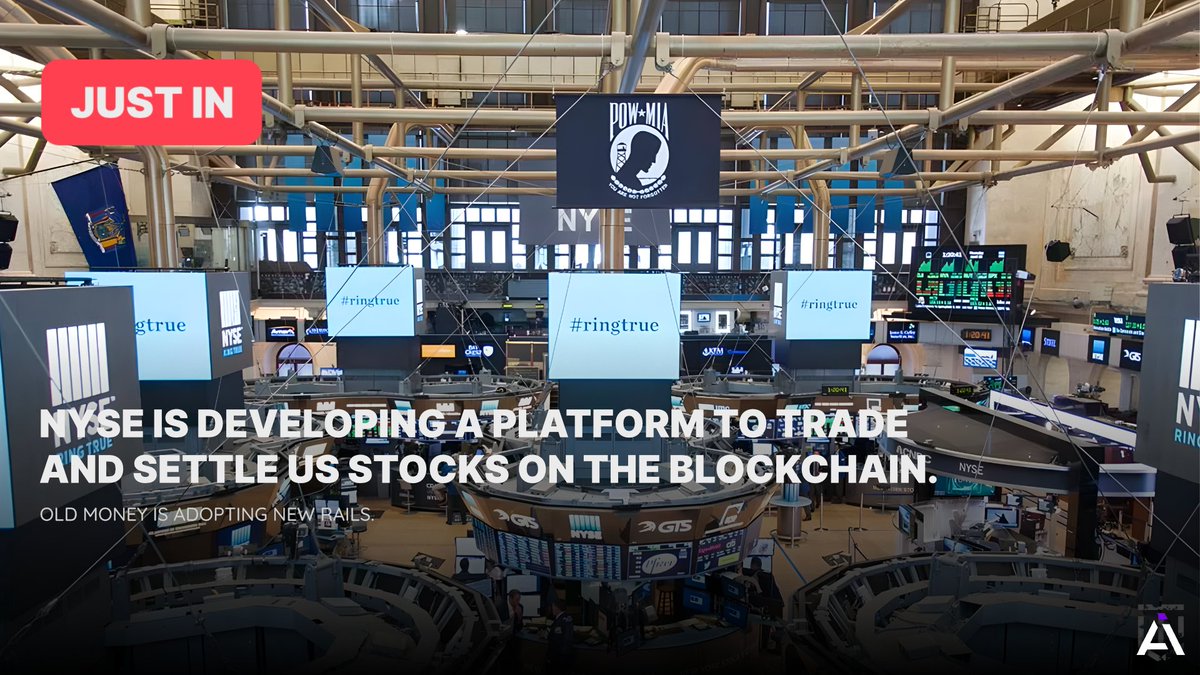
- Stablecoin Funding: Facilitates deposits and settlements using dollar-pegged stablecoins.
- Fractional Shares: Supports trading fractions of shares for enhanced accessibility.
- Dollar-Sized Orders: Allows orders denominated directly in dollars for simplicity.
- On-Chain Settlement: Provides blockchain-based settlement with partnerships like BNY Mellon and Citi.
Stablecoins: The Backbone of Frictionless Funding
Stablecoins aren't ancillary; they're the engine. NYSE envisions deposits via USDT or USDC, pegged 1: 1 to the dollar, enabling atomic swaps between fiat and tokens. This circumvents banking hours and SWIFT lags, critical for high-frequency strategies. BNY Mellon's role in custody and Citi's in deposit tokenization ensures compliance, mitigating risks like depegging seen in past incidents. Yet, I see hurdles: stablecoin reserves must withstand scrutiny amid regulatory flux. Still, for on-chain tokenized ETFs, this setup could amplify yields through composability, pair tokenized SPY with lending protocols for enhanced returns.
Consider the mechanics: An order for $100 of tokenized TSLA settles on-chain instantly, collateralized by stablecoins. No clearinghouse queues, no weekends off. This democratizes access; a Tokyo trader captures U. S. earnings pops without proxies. Early pilots with ICE's clearing network hint at scalability, processing millions in notional value daily.
Strategic Partnerships Powering the Platform
NYSE isn't solo. Collaborations with BNY Mellon and Citi fortify the infrastructure. BNY handles tokenized cash equivalents, while Citi bridges rails for institutional inflows. Together, they target ICE's global clearinghouses, eyeing 24/7 clearing by 2026. This NYSE tokenized stocks 2026 blueprint draws from successful RWA plays, like BlackRock's BUIDL fund on Ethereum. Skeptics question regulatory timelines, SEC approval looms large, but precedents like spot Bitcoin ETFs bolster optimism. Dive deeper into the rise of on-chain equities in crypto wallets.
Critically, the platform's independence from NYSE Arca preserves ETF integrity while experimenting boldly. Fractionalization shines here: owning 0.01 shares of Berkshire Hathaway becomes viable, pooling liquidity from underserved markets. As adoption grows, expect yield-bearing stablecoins to integrate, blending equity exposure with passive income streams.
Yield-bearing stablecoins could transform passive holdings into active earners, stacking equity dividends atop protocol yields. This synergy hints at a new asset class: tokenized equities fused with DeFi primitives, accessible via wallets like MetaMask or Phantom.
Risks and Regulatory Realities in the Tokenized Era
Optimism tempers with caution. Regulatory approval remains the linchpin; the SEC's scrutiny of tokenized securities as potential securities demands rigorous disclosure. Past hurdles, like the stalled tokenized bond offerings, remind us compliance isn't assured. Operational risks loom too: blockchain congestion could spike fees during volatility, eroding the instant settlement promise. Stablecoin depegging, though rare post-UST, warrants robust reserve audits. For ATS tokenized securities, alternative trading system status offers flexibility but invites oversight on market manipulation safeguards.
Counterparty risks persist despite custodians. Tokenized shares must mirror off-chain rights flawlessly; any dividend mismatch erodes trust. Yet, NYSE's Pillar engine integration minimizes this, matching orders traditionally before blockchain finality. Investors should weigh these against upsides: 24/7 liquidity trumps fragmented offshore synthetics, often plagued by counterparty opacity.
From my vantage, the platform's success hinges on interoperability. Ethereum's dominance in RWAs positions it favorably, but layer-2 scaling via Optimism or Arbitrum will be key for sub-second settlements at scale. Cross-chain bridges could extend reach to Solana's speed, fostering true global parity.
Traditional vs. On-Chain: A Head-to-Head
Traditional trading confines investors to market hours, T and 1 settlements, and whole-share minimums. NYSE's blockchain counterpart obliterates these: perpetual access, atomic execution, micro-fractionalization. Stablecoin funding sidesteps forex friction, ideal for emerging market inflows.
Traditional NYSE Trading vs. Tokenized Platform
| Feature | Traditional | Tokenized |
|---|---|---|
| 24/7 Access | Limited to 9:30 AM–4:00 PM ET (weekdays) | 24/7 global trading ⏰ |
| Settlement Time | T+1 business day | Instant on-chain settlement ⚡ |
| Funding | Fiat USD (bank wires, ACH, etc.) | Stablecoin-based (e.g., USDC) 💰 |
| Share Sizes | Whole shares (minimum 1 share) | Fractional shares & dollar-based orders 📊 |
| Global Reach | Primarily U.S.-focused with hours restrictions | Worldwide borderless access 🌍 |
This table underscores the leap. For stablecoin settled equities, transaction costs plummet; no intermediaries siphon spreads. Empirical data from pilots like Franklin Templeton's on-chain fund shows 99.9% uptime, hinting at NYSE's potential reliability.
Market projections electrify: tokenized equities could capture 10% of U. S. volumes by 2030, per BCG estimates, fueled by institutional mandates for 24/7 coverage. Retail adoption surges via apps integrating NYSE tokens, mirroring Robinhood's disruption but decentralized.
Global Implications for On-Chain Equities
Beyond U. S. borders, 24/7 stock trading blockchain levels the field. Asian funds react to Fed announcements in real-time, Europeans arbitrage overnight gaps. Emerging economies bypass capital controls via stablecoins, channeling remittances into tokenized S and P 500 exposure. This influx pressures incumbents; expect Nasdaq, LSE pursuits.
DeFi composability amplifies: collateralize tokenized AAPL for loans, yield farm with ETF tokens, or automate rebalancing via smart contracts. Platforms like Aave or Compound stand ready, birthing hybrid strategies unattainable off-chain. Check insights on how tokenized U. S. equities are traded on-chain.
Challenges notwithstanding, NYSE's thrust catapults on-chain tokenized ETFs mainstream. Fractional access democratizes Berkshire or Nvidia stakes, pooling trillions in sidelined capital. As infrastructure matures, expect voting on-chain, airdrops to holders, blurring stock-DeFi lines.
ICE's vision, fortified by BNY Mellon and Citi, charts a disciplined path. Investors poised for 2026 should diligence platforms now, blending tokenized allocations with core holdings. This evolution demands vigilance yet rewards foresight, securing portfolios in a borderless market.



No comments yet. Be the first to share your thoughts!