

Dividend Aristocrats 2026: Selection Logic
Finding reliable income in 2026 requires looking beyond simple yield percentages. The companies on this list are S&P 500 Dividend Aristocrats, meaning they have increased their dividends for at least 25 consecutive years. This track record signals resilience, but it doesn't guarantee future performance.
We narrowed down the 69 eligible companies by focusing on three concrete criteria: sustainable payout ratios, manageable debt levels, and business models that withstand inflation. We prioritized firms with mid-single-digit dividend growth potential, as highlighted by Morningstar analysts, over those offering artificially high yields that may be unsustainable.
The final selection balances stability with modest growth. These are not get-rich-quick schemes; they are steady income generators designed to protect capital during market volatility. Each pick represents a distinct sector leader with a clear path to maintaining its dividend streak.
5 Dividend Aristocrats to Watch in 2026: Stable Income Strategies Amid Market Volatility
These five Dividend Aristocrats combine decades of consecutive payout increases with resilient business models, offering a buffer against 2026 market volatility. We evaluate each stock based on dividend safety ratios, sector diversification, and historical performance to identify reliable income streams for your portfolio.
1. Procter & Gamble consistent cash flow
Procter & Gamble’s relentless focus on brand equity and operational efficiency creates a cash flow moat that withstands economic cycles. This stability supports its dividend aristocrat status, allowing for reliable payouts even when consumer discretionary spending tightens. The company’s ability to raise prices without losing market share demonstrates pricing power that investors value during inflationary periods.
2. Coca-Cola global beverage distribution
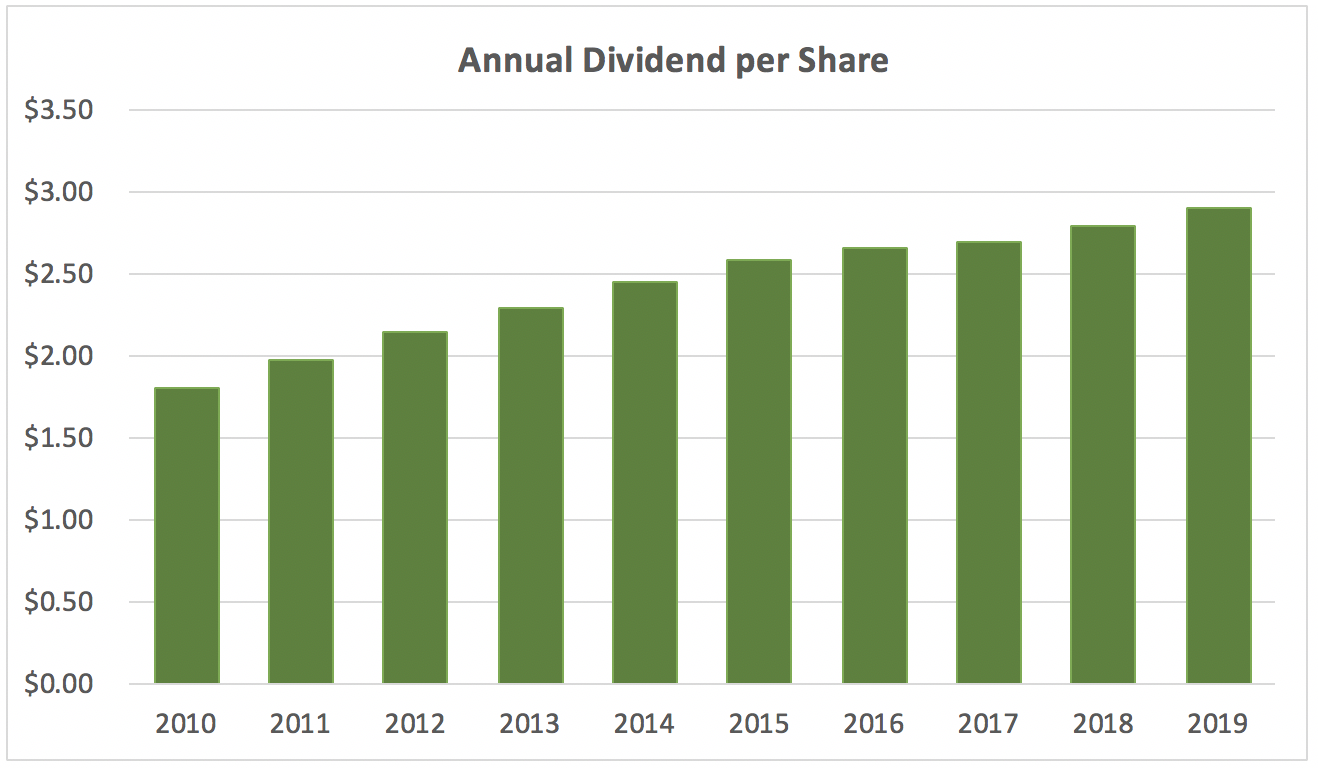
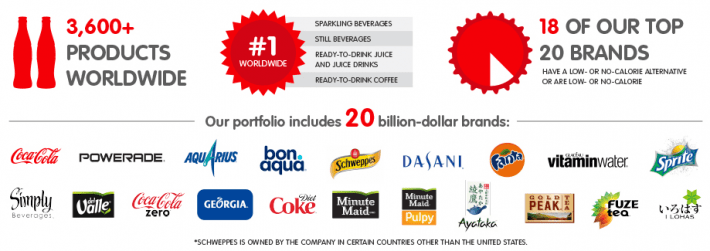
Coca-Cola’s unparalleled global distribution network acts as a defensive shield against localized economic downturns. Its diversified portfolio of beverages ensures that demand remains steady regardless of regional trends or health fads. This widespread reach provides a predictable revenue stream that underpins its long-standing commitment to increasing dividends, making it a cornerstone for income-focused portfolios seeking global exposure.
3. Johnson & Johnson healthcare diversification
Johnson & Johnson’s multi-sector healthcare approach balances pharmaceutical innovation with consumer health stability. This diversification mitigates risk associated with patent cliffs or regulatory changes in any single therapeutic area. The resulting resilience supports consistent dividend growth, offering investors a hedge against sector-specific volatility while maintaining exposure to the essential and growing healthcare market.

4. 3M industrial innovation portfolio
3M’s vast portfolio of industrial and consumer products, underpinned by continuous innovation, provides a unique buffer against economic fluctuations. Its ability to adapt product lines to changing industrial needs ensures steady demand across diverse sectors. This adaptability supports its dividend history, offering investors exposure to industrial resilience and technological advancement without the high volatility typical of pure-play tech stocks.

5. Colgate-Palmolive emerging market exposure
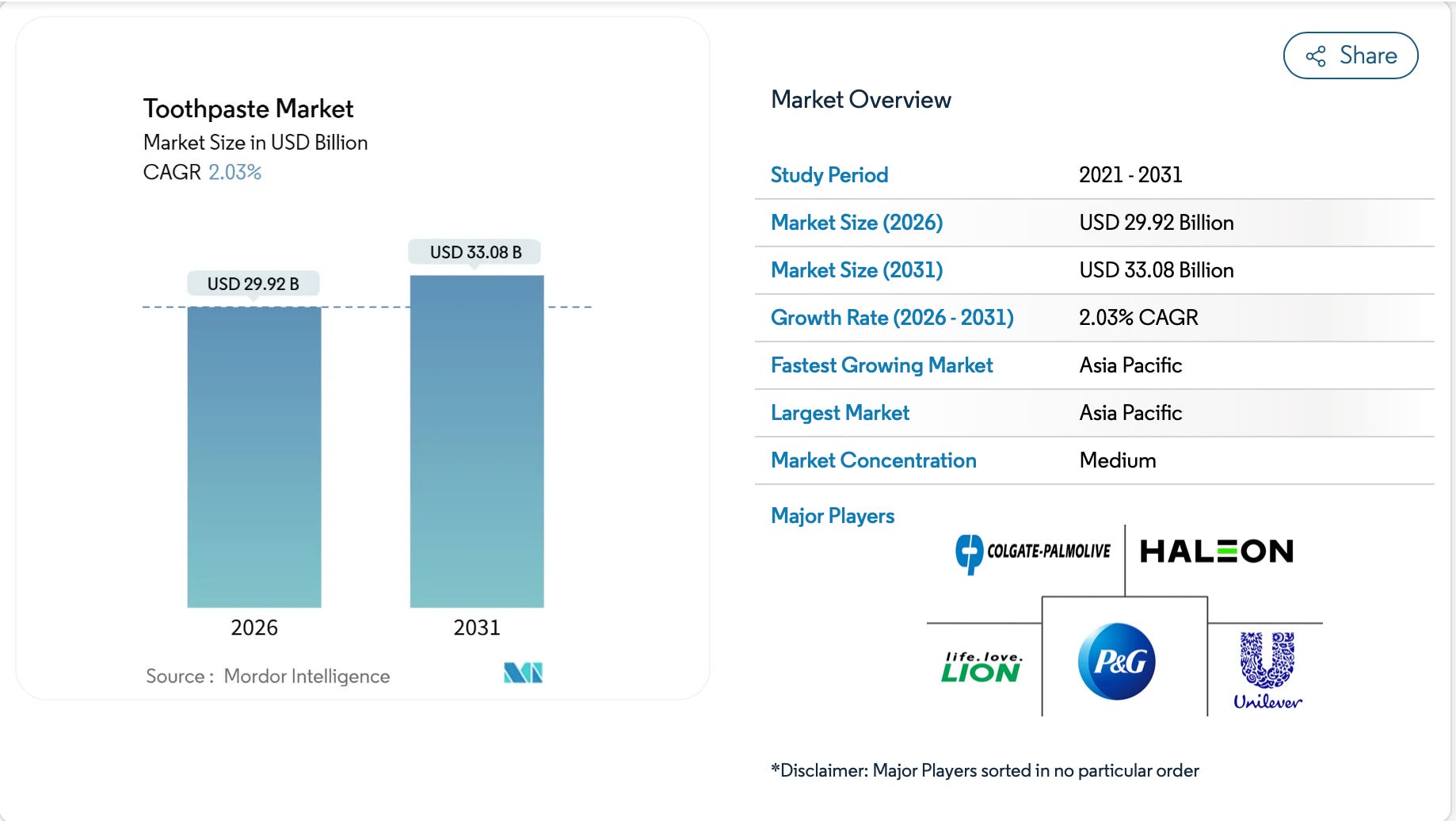
Colgate-Palmolive’s significant revenue from emerging markets offers a strategic growth avenue alongside its stable developed market base. As middle classes expand in developing nations, demand for oral care and home products rises, driving long-term growth. This dual exposure provides a balanced dividend strategy, capturing growth potential in emerging economies while maintaining the reliability of established consumer staples.
Pick the right fit
Choosing from the list of 69 Dividend Aristocrats can feel like picking a needle in a haystack. The goal isn't to find the highest yield, but to find a business that can sustain its payments through economic shifts. A reliable dividend is a promise; your job is to verify the company has the cash to keep it.
1. Check the payout ratio
The payout ratio measures what percentage of earnings goes to shareholders. For most aristocrats, a ratio below 60% signals comfort. If a company pays out 90% of its earnings, any slight dip in profits could force a dividend cut. Look for a healthy buffer that allows growth even when sales soften.
2. Verify dividend growth history
Being an aristocrat means 25+ years of increases, but recent momentum matters more. Check if the company has maintained or accelerated growth over the last five years. A slowing growth rate often precedes a plateau or reduction. Consistency beats occasional spikes.
3. Assess business durability
Does the company sell products people need regardless of the economy? Defensive sectors like consumer staples and healthcare tend to hold up better during volatility. Avoid businesses reliant on discretionary spending or cyclical trends unless you are prepared for wider swings.
4. Review debt levels
High interest rates make debt expensive. Compare the company's debt-to-equity ratio against industry peers. A lower ratio suggests the company can weather rate hikes without sacrificing dividend payments. Stability comes from balance sheets, not just revenue.


As an Amazon Associate, we may earn from qualifying purchases.
5. Look at valuation
Even the best company is a bad investment at the wrong price. Compare the current P/E ratio to its five-year average. Buying at a premium reduces your total return potential. Patience often yields better entry points than chasing current momentum.
No comments yet. Be the first to share your thoughts!