
Why 2026 favors institutional crypto
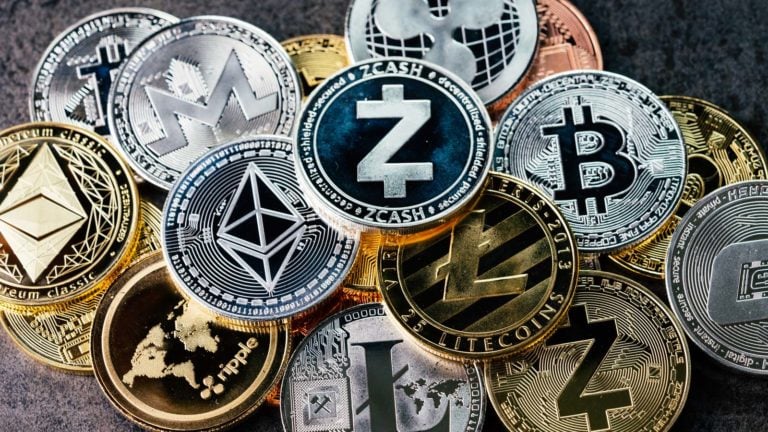
The macro environment for digital assets in 2026 is defined by a transition from speculative volatility to regulated infrastructure. This shift is driven by three converging forces: regulatory clarity in major jurisdictions, the maturation of spot cryptocurrency ETFs, and the integration of AI-driven utility into blockchain networks.
Regulatory frameworks in the EU (MiCA), the US, and key markets like California and Australia are moving from reactive enforcement to proactive standardization. This clarity reduces compliance risk for large-scale capital allocators, allowing institutional players to deploy funds with greater confidence in legal protections and operational standards.
ETF expansion has further bridged the gap between traditional finance and digital assets. By providing regulated, custodial vehicles for exposure to Bitcoin (BTC) and Ethereum (ETH), these products have normalized crypto as a core portfolio component rather than a speculative bet. This liquidity influx supports the underlying networks, enabling higher transaction throughput and more robust settlement layers.
The focus is shifting toward utility. Projects like Solana (SOL) and Chainlink (LINK) are gaining traction not just as trading pairs, but as critical infrastructure for AI integration, data verification, and decentralized compute. This fundamental utility, combined with institutional-grade access, positions these specific assets for sustained growth in 2026.
5 Best Crypto Coins 2026: Top 5 Picks for Institutional Growth
As institutional capital seeks scalable infrastructure for 2026, the market is bifurcating between legacy stability and high-velocity innovation. This analysis isolates five assets—BTC, ETH, SOL, LINK, and RENDER—evaluated strictly on their capacity to absorb enterprise-grade AI integration and regulatory compliance.
1. Bitcoin (BTC): The Institutional Anchor
Bitcoin remains the primary vehicle for institutional entry into digital assets. Its status as a "digital gold" is reinforced by the widespread adoption of spot ETFs, which provide regulated, custodial access for pension funds and endowments. BTC offers the deepest liquidity and the most robust security model, making it the essential base layer for any institutional crypto portfolio. In 2026, its role is less about speculative upside and more about preserving capital and providing uncorrelated returns against traditional fiat volatility.
2. Ethereum (ETH): The Settlement Layer
Ethereum continues to dominate decentralized finance (DeFi) and tokenization infrastructure. As the primary settlement layer for institutional-grade assets, ETH benefits from the ongoing transition to proof-of-stake, which reduces energy consumption and aligns with ESG mandates. Its smart contract capabilities enable complex financial instruments, including tokenized real-world assets (RWAs). For institutions, ETH represents the backbone of programmable money, offering yield opportunities through staking while maintaining high network security.
3. Solana (SOL): High-Throughput Infrastructure
Solana addresses the scalability limitations of earlier generations of blockchains. With its high transaction throughput and low fees, SOL is becoming the preferred chain for high-frequency trading, consumer-scale applications, and real-time data processing. Institutional interest is growing as Solana’s network stability improves, making it a viable candidate for enterprise use cases that require speed and cost-efficiency. Its ecosystem is rapidly expanding to include AI-related compute and data layers, positioning it as a key infrastructure play.
4. Chainlink (LINK): Oracle Connectivity
Chainlink provides the critical bridge between blockchain networks and real-world data. As institutional adoption of RWAs grows, the need for secure, reliable oracle services becomes paramount. LINK’s decentralized oracle network ensures that smart contracts can interact with external data sources—such as financial markets, weather data, and supply chain information—with verifiable accuracy. In 2026, LINK is not just a token but essential infrastructure for any institution looking to tokenize traditional assets or integrate off-chain data into on-chain workflows.
5. Render (RENDER): Decentralized Compute for AI
Render Network addresses the growing demand for GPU computing power required by AI workloads. By decentralizing rendering and compute tasks, RENDER offers a cost-effective and scalable alternative to centralized cloud providers. As AI models become more complex and data-intensive, institutions are exploring decentralized compute networks to reduce costs and increase resilience. RENDER provides exposure to the AI boom through a blockchain-native infrastructure play, distinguishing it from pure AI software companies.
Comparing market cap and utility
Use this section to make the Best Crypto Coins decision easier to compare in real life, not just on paper. Start with the reader's actual constraint, then separate must-have requirements from details that are merely nice to have. A practical choice should survive normal use, maintenance, timing, and budget. If a recommendation only works in an ideal situation, call that out plainly and give the reader a fallback path.
| Factor | What to check | Why it matters |
|---|---|---|
| Fit | Match the option to the primary use case. | A good deal still fails if it does not fit the job. |
| Condition | Verify age, wear, and service history. | Hidden condition issues erase upfront savings. |
| Cost | Compare purchase price with likely upkeep. | The cheapest option is not always the lowest-cost option. |
Tracking live crypto market trends
The crypto market operates on a continuous, high-velocity cycle. Institutional capital flows into Bitcoin (BTC) and Ethereum (ETH) based on real-time liquidity data, while altcoins like Solana (SOL) and Chainlink (LINK) react instantly to network updates and AI integration news. Static price lists become obsolete within hours; reliable monitoring requires live data feeds that reflect current order book depth and trading volume.
Use professional charting platforms to track these assets. Focus on the relationship between BTC dominance and altcoin performance. When Bitcoin stabilizes, capital often rotates into high-beta assets like Render (RENDER) or Solana. Watching these live trends helps you identify institutional accumulation phases before broader market sentiment shifts.
Price movements are driven by macroeconomic data and on-chain metrics. A sudden spike in Ethereum gas fees or a drop in Solana transaction success rates can signal network stress. Keep your dashboard updated with live widgets for BTC and ETH to anchor your analysis in current market reality rather than historical averages.
What coins should I invest in 2026?
For institutional growth in 2026, the consensus centers on five assets: Bitcoin (BTC), Ethereum (ETH), Solana (SOL), Chainlink (LINK), and Render (RENDER). These picks balance established liquidity with specific utility drivers.
Bitcoin remains the primary anchor for portfolio stability. Ethereum continues to dominate decentralized finance and tokenization infrastructure. Solana offers high-throughput alternatives for consumer-scale applications. Chainlink provides essential oracle connectivity for real-world asset integration. Render delivers decentralized GPU computing power, a critical resource for AI workloads.
Helpful gear
Use these product recommendations as a starting point, then choose the size, material, and price point that fit how you actually use the gear.

![The Crypto Millionaire Bible: [5 in 1] How to Easily Make Life-Changing Money in The Next Big 2025-2026 Bull Run with Smart Investing and Trading Any Cryptocurrency (Altcoins, Meme, NFT, Airdrops)](https://m.media-amazon.com/images/I/61K1jz+cWtL._AC_UL960_QL65_.jpg)
As an Amazon Associate, we may earn from qualifying purchases.
No comments yet. Be the first to share your thoughts!