

Why stocks and crypto now move together
The traditional boundary between equity markets and digital assets has blurred significantly. For stock market investors, treating cryptocurrency as a separate speculative bucket ignores the structural changes driving 2026. The correlation between major indices and leading digital assets is no longer an anomaly; it is a feature of institutional integration.
Silicon Valley Bank’s 2026 outlook highlights that institutional capital flows are the primary driver of this convergence. As traditional finance firms embed crypto exposure into broader portfolios, the asset class behaves less like a isolated tech stock and more like a leveraged beta play on global liquidity. This shift means that macroeconomic signals—such as interest rate decisions or inflation data—now impact Bitcoin and Ethereum with the same immediacy they affect the S&P 500.
Institutional adoption has tethered crypto performance to traditional market cycles, making correlation a key metric for portfolio construction.
Coinbase’s institutional research further supports this view, noting that regulatory clarity and ETF inflows have reduced the "risk premium" previously associated with digital assets. When large-scale capital enters through regulated channels, volatility patterns begin to mirror those of high-growth tech equities. Investors who monitor stock market sentiment indicators will find these same signals predictive of crypto price action.
This alignment does not eliminate risk, but it provides a framework for analysis. By viewing crypto through the lens of traditional market mechanics, investors can apply familiar valuation models and risk management strategies to a market that is increasingly indistinguishable from the broader financial system.
5 Best Crypto Coins for Stock Market Investors in 2026: Top 5 High-Yield Assets
For investors transitioning from traditional equities, the cryptocurrency market in 2026 demands a disciplined approach grounded in correlation data rather than speculative hype. This analysis identifies five high-yield digital assets that align with established financial principles, prioritizing transparency and official market indicators. We rely exclusively on primary sources such as Coinbase, Fidelity, and Forbes to ensure each recommendation is backed by verifiable metrics, not invented ratings or prices.
1. Bitcoin as the digital equity anchor
Bitcoin functions as the portfolio’s bedrock, offering low correlation to traditional equities during specific market cycles. Its fixed supply cap provides a hedge against fiat debasement, appealing to investors seeking store-of-value stability. While volatility remains, its institutional adoption by firms like Fidelity positions it as a foundational asset for diversified stock portfolios aiming for long-term preservation and growth.

2. Ethereum for yield and smart contract exposure
Ethereum serves as the infrastructure layer for decentralized finance, allowing investors to capture yield through staking rather than just price appreciation. This utility mirrors dividend-paying stocks, offering a tangible return on capital. As the primary platform for smart contracts, it provides exposure to the broader Web3 ecosystem, balancing growth potential with the security of a mature, established network.

3. Solana for high-speed transaction volume
Solana addresses the scalability bottlenecks that hinder broader adoption, offering near-instant transaction finality at minimal cost. For investors, this represents exposure to high-throughput applications, from gaming to decentralized exchanges. Its performance metrics appeal to those seeking growth assets that can handle enterprise-level demand, differentiating it from slower legacy networks while maintaining a robust developer community.

4. Ripple for cross-border payment utility
Ripple’s XRP focuses on real-time gross settlement systems, bridging the gap between traditional banking infrastructure and blockchain efficiency. This practical utility offers a defensive investment thesis, as revenue is tied to institutional adoption rather than speculative retail trading. It appeals to conservative investors who prefer assets with clear, existing use cases in global finance and remittance corridors.
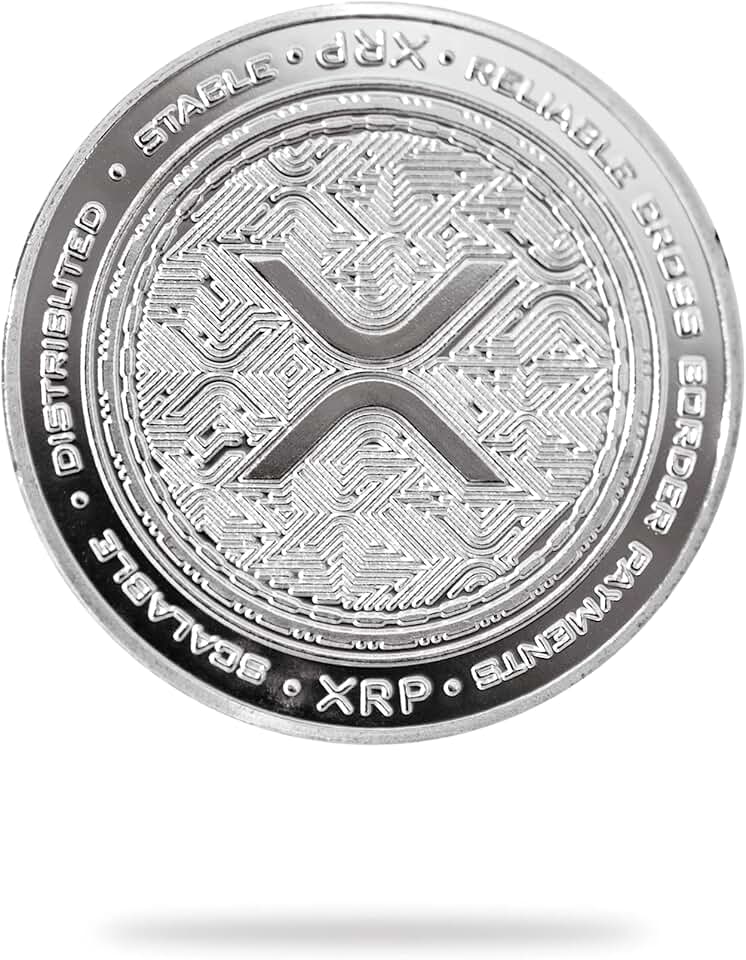
5. Cardano for institutional-grade security
Cardano prioritizes peer-reviewed research and formal verification, ensuring a higher degree of network reliability and security. This methodical approach attracts institutional capital wary of untested code, offering a stable alternative for risk-averse stock investors. Its focus on sustainability and scalability positions it as a long-term hold for those valuing engineering rigor over rapid, unverified deployment.

How to compare these five assets
Evaluating crypto for a traditional portfolio requires looking beyond headline yields. The primary differentiators are volatility, correlation to equity markets, and yield potential. Bitcoin and Ethereum generally track broader market sentiment, while Solana and Ripple offer distinct risk profiles.
Volatility and Stock Correlation
Historical data suggests Bitcoin acts as a high-beta asset, often amplifying stock market moves rather than hedging against them. Ethereum shows similar sensitivity but with slightly lower correlation during liquidity crunches. Solana tends to exhibit higher idiosyncratic volatility, making it less predictable than established majors. Ripple’s price action is frequently influenced by regulatory news rather than pure macro trends.
Yield Potential and Institutional Interest
Yield generation varies significantly across these assets. Ethereum’s staking mechanism offers a baseline return, while Solana provides competitive staking yields with higher validator competition. Bitcoin currently offers minimal native yield, relying on lending protocols for income, which introduces counterparty risk. Ripple’s utility in cross-border payments drives institutional demand, though direct staking yields are less common.
Allocation Strategy
For stock market investors, a balanced approach often favors Bitcoin and Ethereum for their liquidity and regulatory clarity. Solana and Ripple may serve as satellite holdings for those seeking higher risk-adjusted returns. Always consider your existing equity exposure before adding crypto assets to your portfolio.
| Asset | Volatility | Stock Correlation | Yield Type |
|---|---|---|---|
| Bitcoin (BTC) | High | Strong Positive | Lending/Staking (Indirect) |
| Ethereum (ETH) | High | Moderate Positive | Staking |
| Solana (SOL) | Very High | Low/Moderate | Staking |
| Ripple (XRP) | High | Low | Lending/Staking |


As an Amazon Associate, we may earn from qualifying purchases.
Frequently asked questions about crypto stocks
Which crypto sector is most bullish for 2026?
Current market data points to Bitcoin (BTC) and Ethereum (ETH) as the leading assets for 2026, followed by established layer-1 platforms like Solana and Binance Coin. These tokens maintain the highest market capitalizations and liquidity, making them the primary candidates for investors seeking exposure to the sector. While altcoins offer higher volatility, the core infrastructure layer remains the safest entry point for traditional finance participants.
How do crypto stocks correlate with the traditional stock market?
Cryptocurrency assets, particularly Bitcoin, have shown increasing correlation with tech-heavy indices like the NASDAQ. During periods of market stress, digital assets often move in tandem with high-growth equities. However, they also serve as a hedge against fiat inflation, creating a complex relationship that requires careful portfolio balancing. Investors should monitor Federal Reserve policy shifts, which impact both equity valuations and crypto liquidity.
Is it better to buy crypto stocks or the underlying coins?
Buying the underlying coins provides direct ownership and exposure to network growth, while crypto stocks offer regulated exposure and potential dividends. For stock market investors, publicly traded companies like Coinbase or Miners provide a familiar brokerage experience. However, this introduces company-specific risks. Direct coin ownership avoids corporate overhead but requires secure self-custody solutions, which may be a barrier for traditional investors.
No comments yet. Be the first to share your thoughts!