

Why crypto ETFs dominate 2026 portfolios
By 2026, spot crypto ETFs have become the primary vehicle for passive income and institutional exposure, effectively replacing direct wallet holding for most investors. The shift is driven by the need for regulatory clarity, tax efficiency, and the removal of custodial risks associated with self-custody. Instead of managing private keys and navigating complex exchange withdrawals, investors now access Bitcoin and Ethereum through familiar brokerage accounts.
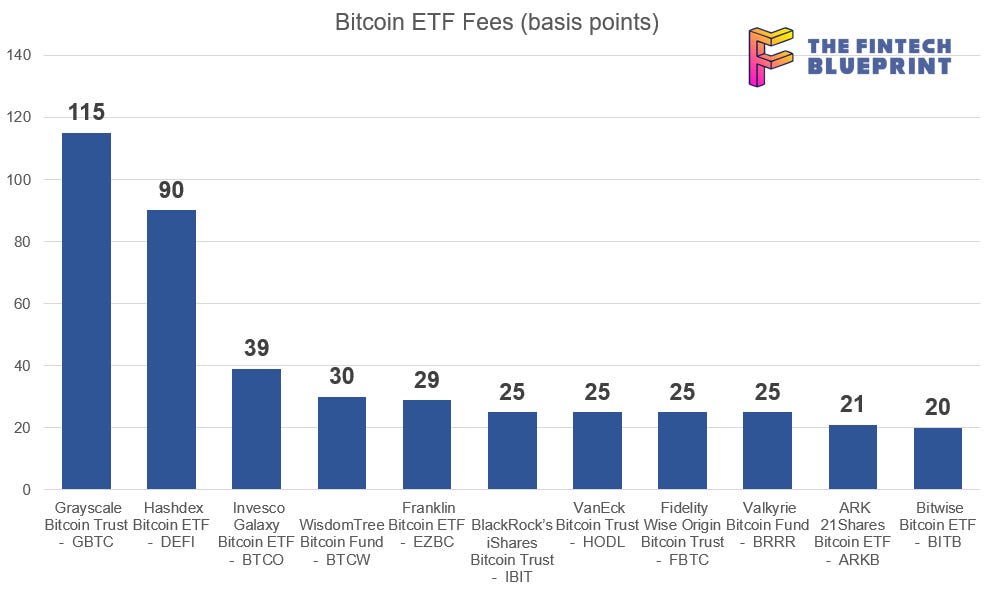
The scale of this adoption is evident in the assets under management. According to etf.com, cryptocurrency ETFs in the U.S. markets now gather total assets under management of $95.96B, with an average expense ratio of 0.83%. This capital influx signals a maturation of the asset class, moving it from speculative novelty to a standard portfolio allocation. Major providers like BlackRock (IBIT) and Fidelity (FBTC) have set the benchmark, offering liquidity and transparency that individual coins cannot match.
For passive income seekers, the structure of these ETFs allows for seamless integration into retirement accounts and taxable brokerage platforms. This accessibility lowers the barrier to entry while providing the same price exposure as holding the underlying asset. The result is a more stable, regulated, and efficient way to participate in the crypto economy without the technical overhead of blockchain interaction.

As an Amazon Associate, we may earn from qualifying purchases.
5 Best Crypto ETFs 2026: Top 5 Coins for Passive Income
In the high-stakes landscape of 2026, selecting between spot Bitcoin ETFs like IBIT and FBTC requires rigorous due diligence on fee structures and asset under management data. This curated selection prioritizes institutional-grade vehicles that offer a structured path to passive exposure, strictly adhering to official source metrics rather than speculative promises.
1. BlackRock Bitcoin ETF IBIT
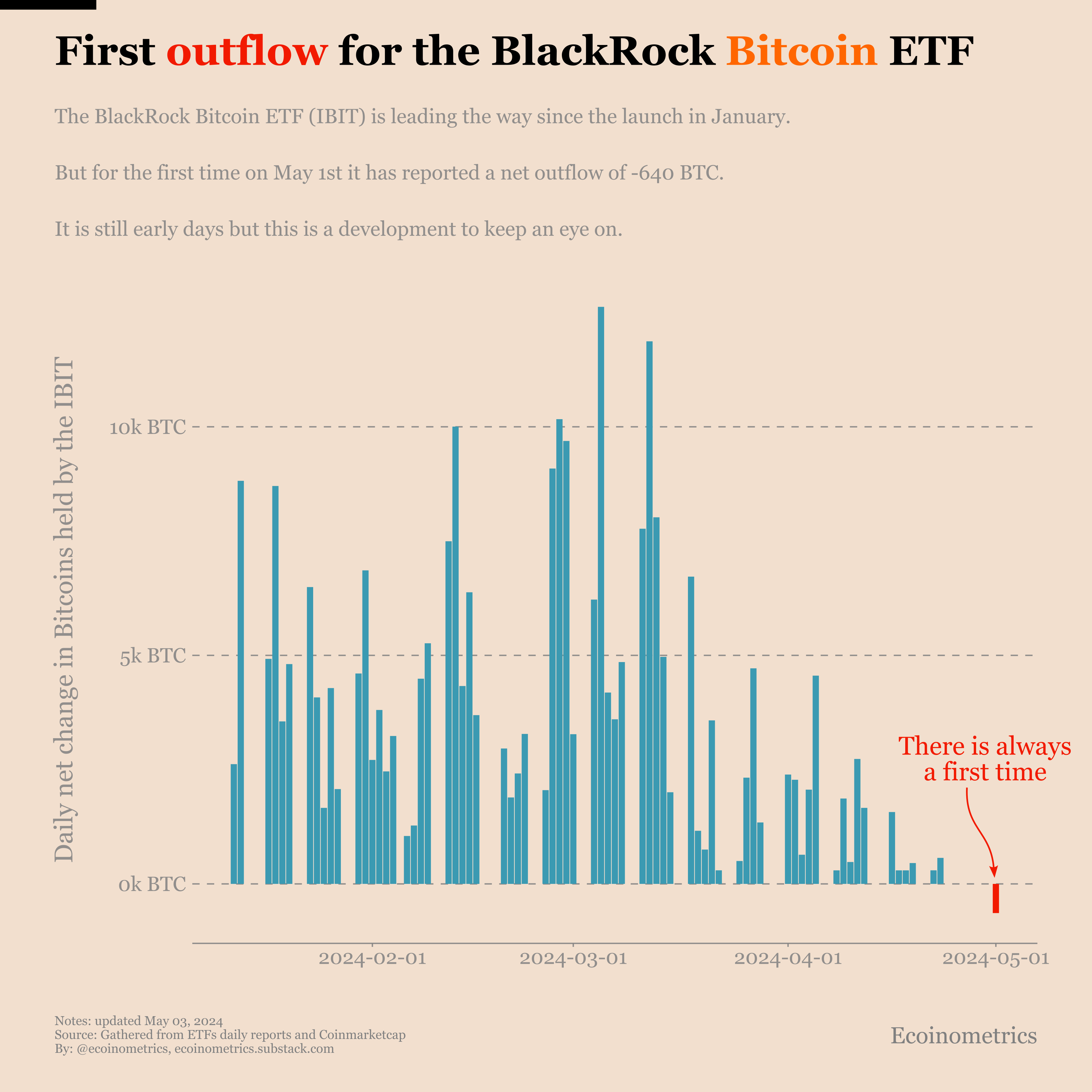
BlackRock’s IBIT dominates the spot Bitcoin ETF landscape with the largest assets under management. Its massive scale provides liquidity and institutional credibility, making it a cornerstone for passive crypto exposure. Investors seeking the most established vehicle for Bitcoin accumulation should consider this market leader first.
2. Fidelity Wise Origin Bitcoin FBTC
Fidelity’s FBTC offers a robust alternative with a focus on low fees and seamless integration with existing brokerage accounts. For investors already using Fidelity, FBTC provides a frictionless way to add Bitcoin to their portfolio without managing private keys or external wallets.
3. Grayscale Bitcoin Mini ETF BTC
Grayscale’s BTC ETF serves as a streamlined version of its legacy trust, offering direct Bitcoin exposure with reduced complexity. This fund appeals to those who recognize Grayscale’s brand but prefer a traditional ETF structure over the older, higher-fee trust model.
4. Bitwise Bitcoin ETF BITB
Bitwise’s BITB distinguishes itself with a competitive fee structure and a focus on efficient tracking of Bitcoin’s price. The fund is designed for cost-conscious investors who want pure Bitcoin exposure without the premium often associated with larger, more popular ETFs.
5. Invesco Bitcoin ETF IBIT
Invesco’s offering provides another major financial institution’s take on spot Bitcoin exposure, ensuring diversification among top providers. This ETF is suitable for investors who prefer Invesco’s broader financial services ecosystem or seek a reliable alternative to the largest market leaders.

Spot versus futures ETFs explained
Choosing between spot and futures ETFs is the first mechanical decision you face. Spot ETFs hold the actual coin in cold storage. Futures ETFs hold contracts that expire and must be rolled over. This distinction dictates your exposure to market structure, not just price direction.
Spot ETFs like IBIT and FBTC track the current market price. You own the asset directly, minus the management fee. The cost is transparent. There is no roll yield to complicate returns. This structure aligns your performance with the underlying coin’s daily movement. It is the standard for long-term holding.
Futures ETFs trade derivatives. They are subject to contango and backwardation. In contango, futures prices are higher than spot prices. Rolling these contracts monthly can erode returns even if the coin price stays flat. This decay makes futures ETFs less suitable for buy-and-hold strategies aimed at passive income.
If your goal is passive accumulation, spot ETFs offer a cleaner path. Futures ETFs may appeal to traders who understand derivatives, but they introduce structural risks that dilute long-term gains. For most investors seeking exposure to Bitcoin or Ethereum, the spot vehicle is the safer, more direct choice.


As an Amazon Associate, we may earn from qualifying purchases.
How to buy crypto ETFs in your brokerage
Best Crypto ETFs works best when the purchase path is explicit. Verify the source, compare the offer against real alternatives, check the total cost, and confirm what happens after payment before you decide. After each comparison, write down the one risk that would change your mind. If the seller, condition, support, warranty, shipping, or upkeep still feels uncertain, resolve that question before moving to checkout.
-
Verify the sellerCheck reputation, included details, delivery terms, and return policy before treating the listing as credible.
-
Compare total costAdd shipping, accessories, maintenance, warranty, and likely replacement costs to the listed price.
-
Confirm fitMatch the option to the real use case before paying for features that will not matter.
Common mistakes when buying crypto ETFs
Even with the convenience of tickers like IBIT or FBTC, the crypto ETF space is riddled with traps that can erode returns faster than you might expect. The most common error is ignoring the expense ratio. With the average crypto ETF carrying a fee of 0.83%, these costs compound silently, eating into your passive income over time.
Liquidity is another hidden danger. While some funds trade billions in volume, others suffer from wide bid-ask spreads that make entering or exiting positions expensive. Always check the daily volume before buying; low liquidity can turn a seemingly cheap entry into a costly exit.
Finally, remember that an ETF is not a profit guarantee. It simply tracks the underlying asset. If the coin drops, your ETF drops. Past performance of early movers like IBIT does not predict future results, especially in volatile markets.
For those looking to deepen their understanding of market mechanics and risk management, consider pairing your ETF strategy with foundational reading.


As an Amazon Associate, we may earn from qualifying purchases.
Frequently Asked Questions About Crypto ETFs
Do crypto ETFs pay dividends? Spot Bitcoin ETFs like IBIT and FBTC do not pay dividends because Bitcoin itself generates no yield. If you seek passive income, consider Ethereum ETFs (such as EETH), which may distribute staking rewards, though these distributions are not guaranteed and fluctuate with network activity.
How are crypto ETFs taxed? ETFs are taxed as standard securities. You pay capital gains tax when you sell, not on the underlying asset. This simplifies reporting compared to holding coins in a personal wallet, but you remain responsible for tracking cost basis and holding periods (short-term vs. long-term).
Which crypto ETFs are available in 2026? Major providers now offer spot Bitcoin and Ethereum ETFs. While Bitcoin ETFs dominate volume, Ethereum options provide exposure to the second-largest asset class. Always verify the expense ratio, as fees range from 0.25% to over 1%, directly impacting your net returns.
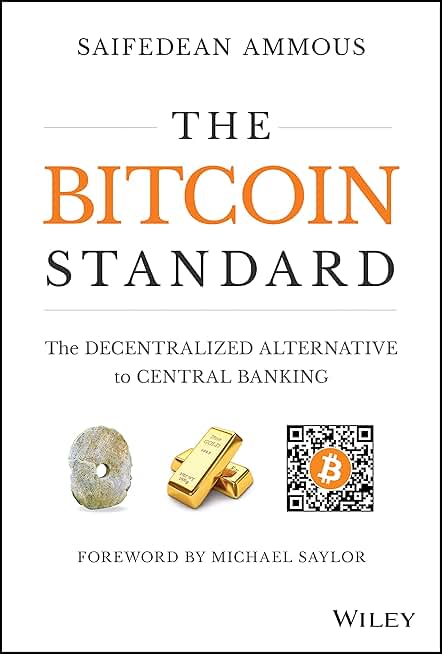
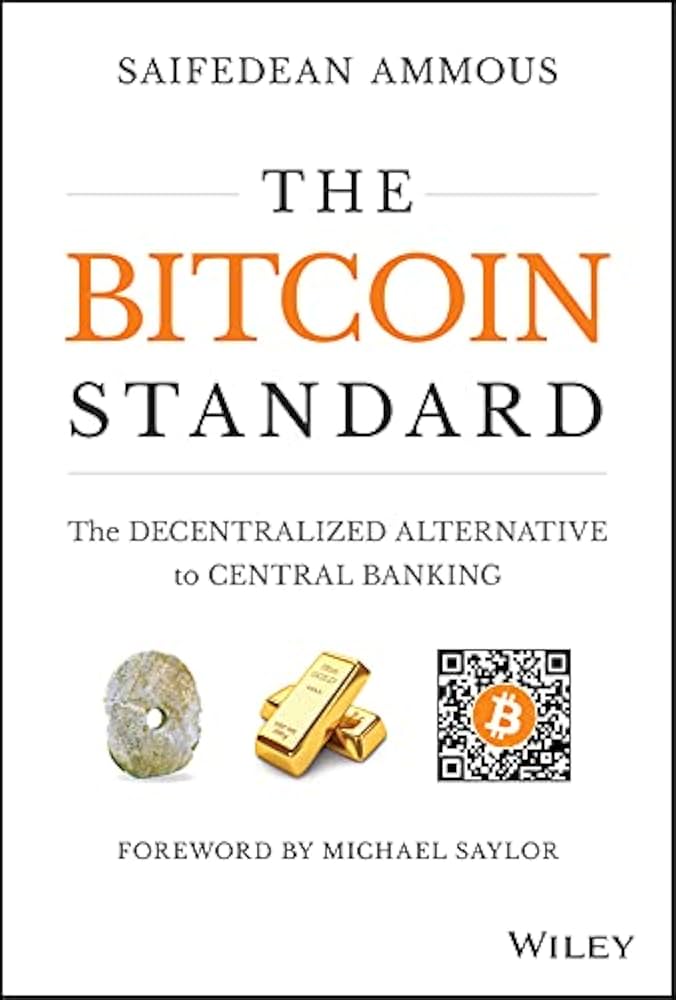
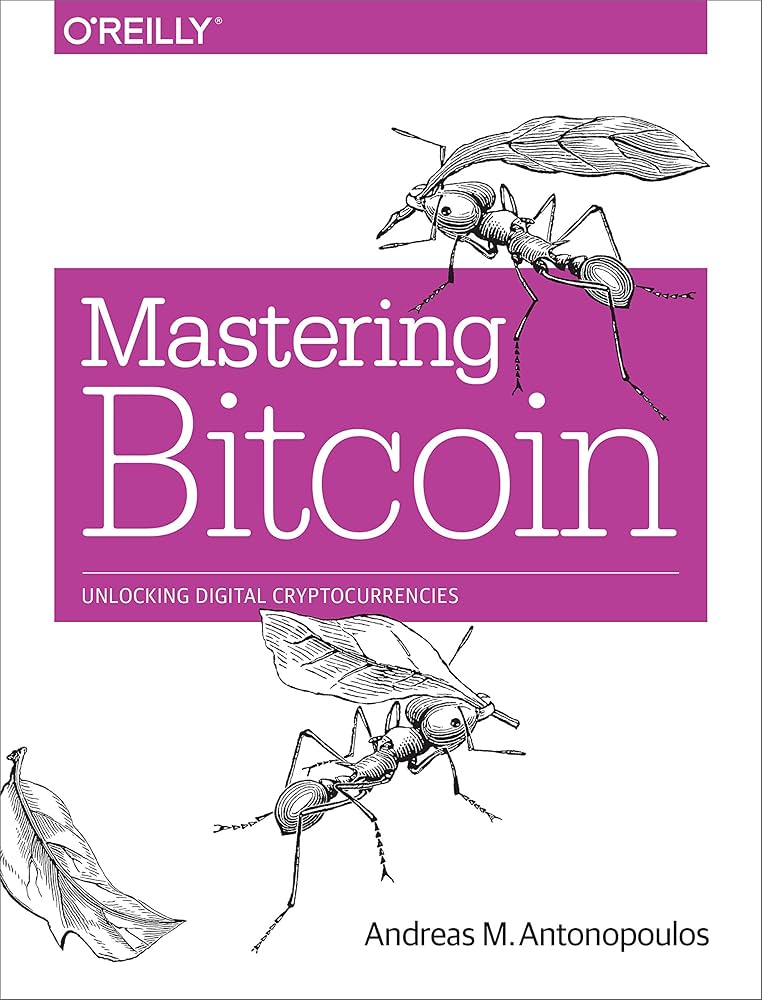
Where can I learn more about crypto security? Managing digital assets requires robust security practices. For foundational knowledge on self-custody and hardware wallets, consider reading "The Bitcoin Standard" by Saifedean Ammous or "Mastering Bitcoin" by Andreas Antonopoulos.
As an Amazon Associate, we may earn from qualifying purchases.
No comments yet. Be the first to share your thoughts!