

Why AI and crypto are converging in 2026
The intersection of artificial intelligence and blockchain has moved beyond speculative hype into functional infrastructure. In 2026, the primary driver is no longer just the promise of automation, but the urgent need for decentralized compute and verifiable data. AI models require massive amounts of processing power and clean, unbiased datasets—resources that centralized cloud providers are struggling to scale affordably. Crypto networks provide the decentralized architecture to distribute these resources globally.
This convergence is reshaping what it means to hold an "AI token." Early projects often relied on vague whitepapers with "AI" in the name but lacked tangible utility. Today, the market distinguishes between tokens that offer actual infrastructure—such as decentralized GPU rental markets or secure data marketplaces—and those that are merely marketing constructs. As noted by KuCoin, AI crypto coins are now the functional currency of decentralized networks, powering real-world operations rather than just speculation.
Investors must exercise strict due diligence. The high-stakes nature of this sector means that utility is the only sustainable metric. Tokens like SingularityNET (AGIX) and Fetch.ai (FET) are leading because they provide developers with concrete tools to improve network operations and data processing. Before allocating capital, verify that the project’s tokenomics directly support its technical roadmap. If the token does not facilitate a necessary transaction on the network, it likely lacks long-term viability.
5 AI Crypto Tokens 2026: Market Leaders & Investment Strategies
The 2026 landscape for AI crypto tokens is defined by regulatory scrutiny and technological maturity, requiring investors to prioritize verified utility over speculative hype. This analysis identifies the five market leaders based on official documentation from CoinMarketCap and Kraken, emphasizing rigorous due diligence to navigate high-stakes volatility.
1. Fetch.ai autonomous economic agent network
Fetch.ai creates autonomous economic agents that execute complex tasks like travel booking or supply chain optimization without human intervention. This decentralized network allows machines to transact directly, reducing friction in digital economies. Investors should monitor its integration with real-world logistics partners to gauge adoption velocity and token utility expansion in 2026.
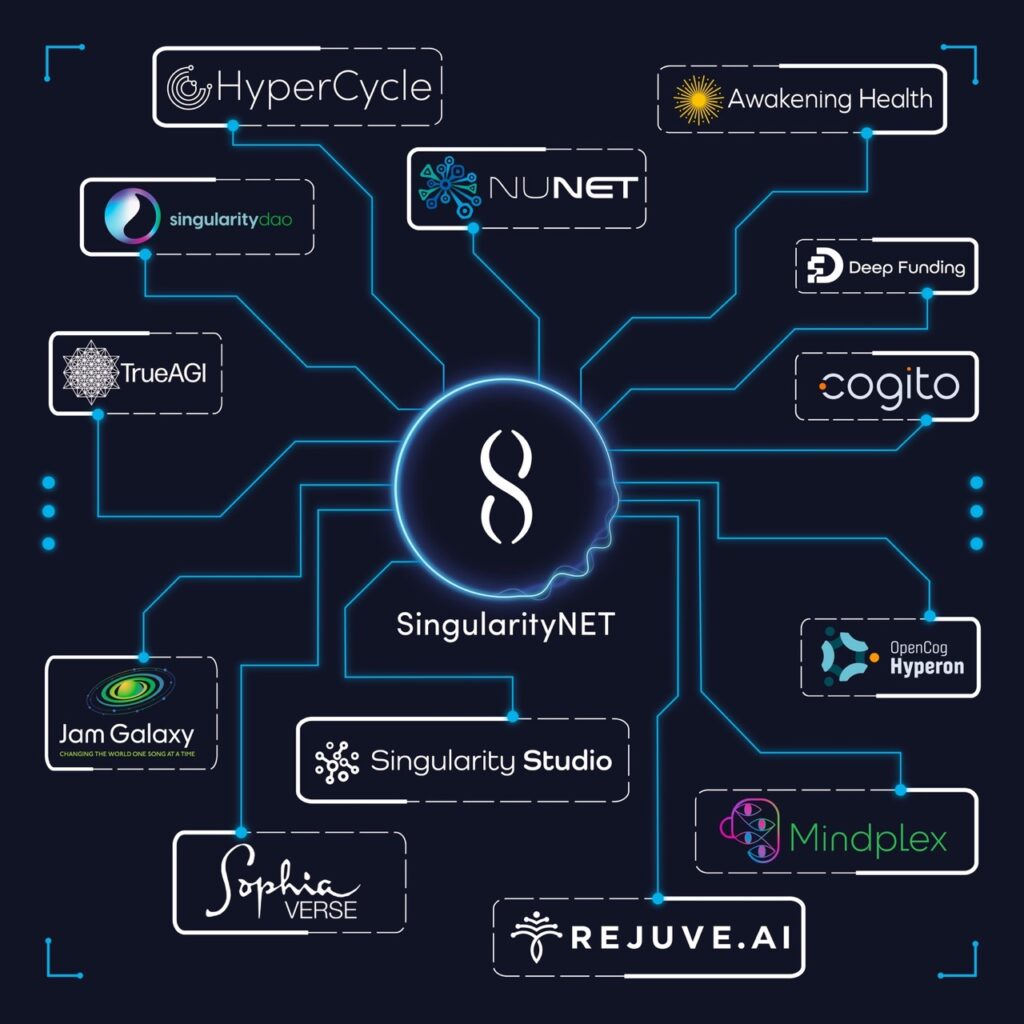
2. SingularityNET decentralized AI marketplace
SingularityNET operates as a permissionless marketplace where developers can publish, discover, and monetize artificial intelligence services. By removing intermediaries, it democratizes access to advanced algorithms for enterprises and individuals. Due diligence is critical here; verify the quality of hosted models and the platform’s revenue-sharing mechanisms before committing capital.
3. Render Network GPU rendering infrastructure
Render Network connects users needing GPU power with those who have idle graphics processing units, creating a distributed rendering cloud. This infrastructure is vital for 3D artists and AI model training, offering a cost-effective alternative to centralized providers. Assess the network’s current hash rate and user demand to evaluate its scalability potential.

4. Bittensor decentralized machine learning subnet
Bittensor facilitates a decentralized network for machine learning, where miners compete to provide the best data or models to earn rewards. Its subnet architecture allows for specialized AI tasks, fostering innovation in natural language processing and computer vision. Evaluate the diversity of active subnets and the consensus mechanism’s integrity to ensure long-term viability.

5. Ocean Protocol data exchange protocol
Ocean Protocol enables the secure sharing and monetization of data assets while preserving privacy through compute-to-data technologies. It allows organizations to access valuable datasets without exposing raw information, a crucial feature for AI training. Verify the protocol’s compliance with global data regulations and the quality of available data pools before investing.

How to evaluate AI token utility
Distinguishing genuine AI infrastructure projects from speculative hype requires looking past the whitepaper promises. In 2026, the most resilient AI tokens function as the operational currency of decentralized networks rather than mere marketing labels [1]. To identify which assets hold real value, you must examine the underlying mechanics that drive their usage.
Start by auditing the network’s active nodes. A healthy AI token relies on a distributed network of computational power; a high count of active nodes indicates that developers and miners are actively maintaining the infrastructure. This metric serves as a baseline for network stability and decentralization, separating projects with working tech from those with only conceptual frameworks.
Next, analyze API calls and data processing volume. Real utility is measured by how often external applications interact with the blockchain’s AI services. High API call volumes suggest that the token is being used for actual machine learning tasks, data indexing, or automated agent coordination. If these metrics are stagnant, the project likely lacks real-world demand regardless of its technological ambitions.
Finally, verify real-world partnerships and official documentation. Credible projects publish clear technical documentation and maintain partnerships with established enterprises or open-source communities. Cross-reference these claims with primary sources like Kraken’s official AI coin categories or the project’s own GitHub repositories to ensure the collaborations are active and substantive rather than symbolic announcements [2].
Key Risks in the AI Crypto Sector
Investing in AI crypto tokens requires navigating a high-stakes environment where regulatory uncertainty and technical complexity intersect. Unlike established equities, this sector operates in a gray area where laws are still forming, leaving investors exposed to sudden policy shifts. The difference between centralized AI giants and decentralized tokens is not just structural but legal; decentralized protocols often lack the liability shields that protect traditional corporate entities.
The technical landscape is equally treacherous. "AI" is often a marketing veneer for simple smart contracts or centralized servers disguised as decentralized networks. You must distinguish between tokens that actually process data on-chain and those that merely use the label for hype. Due diligence means auditing the code, not just the pitch deck. Rely on official project documentation and reputable sources like CoinMarketCap for data, but never assume a high market cap equates to technical legitimacy.
Finally, market volatility in this niche is amplified by speculation. Tokens can swing wildly based on news cycles rather than utility adoption. Treat these assets as high-risk speculative positions, not core holdings. Always prioritize projects with transparent development teams and clear, audited use cases over those promising revolutionary, unproven breakthroughs.
Frequently asked questions about AI tokens
Are AI crypto tokens a safe investment? AI tokens carry high volatility and speculative risk. They are not guaranteed assets. Treat them as high-risk positions within a diversified portfolio. Always verify project fundamentals and tokenomics before allocating capital.
How do I store AI tokens securely? Hardware wallets like Ledger or Trezor provide the best security for long-term holdings. For active trading, use reputable exchanges like Kraken or Coinbase. Never share private keys or seed phrases with anyone.
What is the long-term viability of AI tokens? Viability depends on real-world adoption of AI infrastructure. Tokens with clear utility in data processing or decentralized compute are more likely to sustain value. Projects lacking tangible use cases often struggle to maintain relevance.
Where can I track AI token market data? CoinMarketCap and CoinGecko offer real-time price tracking, market cap data, and volume metrics. Official project documentation and whitepapers provide essential technical details and roadmap updates.


As an Amazon Associate, we may earn from qualifying purchases.
No comments yet. Be the first to share your thoughts!