
Crypto etfs 2026 budget
Picking a crypto ETF comes down to three real numbers: expense ratio, trading volume, and how much you plan to hold. In 2026, the market has settled into a clear tier structure. The largest funds offer the lowest fees but may trade at a slight premium or discount to their net asset value (NAV). Smaller funds often charge more but can offer better liquidity in specific market conditions.
Think of it like renting a car. A big rental company offers the best rates and plenty of cars, but you might wait in line. A smaller local shop might charge more, but you get in and out faster. For most passive investors, the "big company" option is usually the right balance of cost and reliability.
The Big Three
iShares Bitcoin Trust (IBIT) BlackRock’s ETF is the market leader by assets. It has the lowest expense ratio among major competitors, making it the default choice for long-term holders who want to minimize drag on returns. Its high volume ensures tight bid-ask spreads.
Fidelity Wise Origin Bitcoin Fund (FBTC) Fidelity’s fund is a close second, often trading at a similar expense ratio. It appeals to investors who already use Fidelity for their brokerage accounts, simplifying tax reporting and account management into one dashboard.
Grayscale Bitcoin Trust (GBTC) Once the most popular option, GBTC has lowered its fees significantly to compete. However, it still carries a slightly higher expense ratio than IBIT and FBTC. It remains a viable option if you already hold shares, but new money is better suited to the lower-cost alternatives.
Niche and Altcoin ETFs
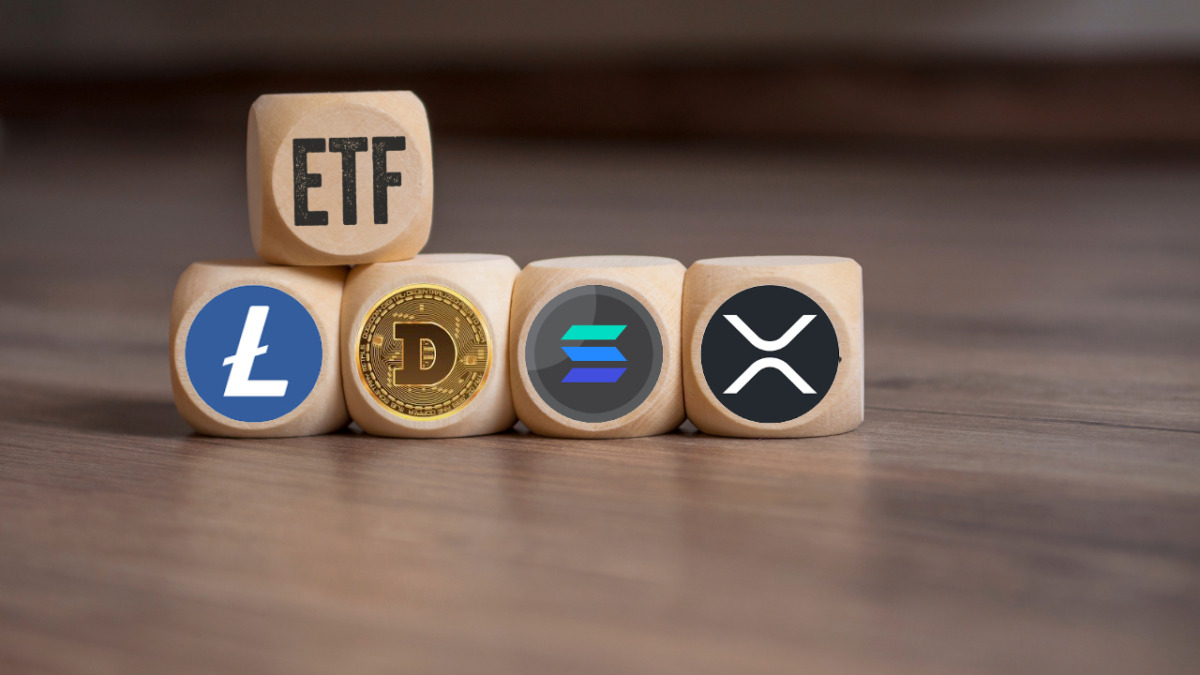
Beyond Bitcoin, the landscape is thinner. Ethereum ETFs (like the ones from BlackRock or Fidelity) are available but come with higher expense ratios, typically around 0.25% to 0.40%. These are suitable for investors who want diversified crypto exposure without managing private keys. Be aware that altcoin ETFs (like Solana or XRP) are still largely speculative or unavailable in the US market as of 2026, so stick to Bitcoin and Ethereum for now.
Selecting the Right Vehicle
- Check the Expense Ratio: Look for funds under 0.25%. Every basis point matters over a ten-year hold.
- Verify Liquidity: Ensure the ETF has daily trading volume in the millions. Low volume means wider spreads, which eats into your profits.
- Consider Your Brokerage: Some brokers offer commission-free trading for specific ETFs. IBIT and FBTC are widely available across most major platforms.
Avoid the temptation to chase the "highest return" ETF. In the ETF world, the best return is often the one with the lowest fees and highest liquidity. Your job is to hold, not to trade.
Shortlist real options
Bitcoin spot ETFs have consolidated around a few major providers, making the choice less about finding a new product and more about selecting the right vehicle for your brokerage account. The market leaders, Fidelity’s fund and BlackRock’s iShares Bitcoin Trust, dominate in terms of assets under management and liquidity. For investors prioritizing low costs, the Grayscale Bitcoin Trust (GBTC) remains a familiar name, though its expense ratio is significantly higher than its competitors.
Beyond Bitcoin, Ethereum exposure has expanded with the launch of spot Ethereum ETFs from providers like BlackRock (ETHA) and Fidelity (FETH). These funds offer a way to diversify beyond the primary cryptocurrency while maintaining the convenience of a traditional stock market trade. While Bitcoin ETFs have established deep market penetration, Ethereum options are still gaining traction but offer a compelling alternative for those seeking broader crypto exposure.
When comparing these funds, focus on expense ratios and trading volume. Lower fees compound significantly over time, while high volume ensures tight bid-ask spreads, reducing the cost of entering and exiting positions. The following table outlines the key metrics for the most prominent crypto ETFs available in 2026, allowing for a direct side-by-side evaluation of their structures and costs.
| Ticker | Provider | Asset | Expense Ratio |
|---|---|---|---|
| IBIT | BlackRock | Bitcoin | 0.25% |
| FBTC | Fidelity | Bitcoin | 0.25% |
| GBTC | Grayscale | Bitcoin | 1.50% |
| ETHA | BlackRock | Ethereum | 0.25% |
| FETH | Fidelity | Ethereum | 0.25% |
Inspect the expensive parts
Crypto ETFs offer stock market convenience, but they carry unique structural risks that traditional funds do not. If you are holding these positions, you need to verify three specific failure points before the next market cycle. A small oversight in expense ratios or custody structure can erode returns faster than price volatility.
Spot Bitcoin ETFs like IBIT and FBTC have slashed fees to compete, but some still charge 25 to 50 basis points. A 0.25% fee sounds small, but over five years, it compounds significantly. Always compare the net expense ratio in the fund’s prospectus, not just the headline marketing number. If the fee exceeds 0.20%, ask if the active management or liquidity benefits justify the cost.
Who holds the actual Bitcoin? Most major ETFs use regulated custodians like Coinbase Custody or BNY Mellon. This separation ensures the fund provider cannot access your assets. Check the fund’s latest SEC filing to confirm the custodian is a qualified, insured entity. Avoid any structure where the issuer has direct, unsecured access to the private keys.
Does the ETF price actually follow Bitcoin? Some funds lag behind spot prices due to operational friction or fee accumulation. Look for the fund’s historical tracking error data. A consistent negative drift indicates the fund is losing value relative to the asset it tracks. If the deviation exceeds 1% annually, the fund is structurally flawed for passive investors.
These checks protect your capital from hidden structural decay. By focusing on fees, custody, and tracking accuracy, you ensure your passive investment actually mirrors the crypto market it promises to track.
Plan for ownership costs
Expense ratios are the silent tax on passive crypto investing. While spot Bitcoin and Ethereum ETFs have lowered fees compared to the early days, they still eat into your annual returns. A difference of 0.10% might seem negligible, but over a decade of compounding, it represents a significant chunk of potential gains.
Some funds charge more for marketing and distribution, while others offer lower fees for direct institutional access. For example, Fidelity’s fund and BlackRock’s iShares Bitcoin Trust compete on fees, but the gap isn't always wide enough to justify switching unless you are moving large sums. Always check the prospectus for the exact annual percentage fee before buying.
Beyond the expense ratio, watch for bid-ask spreads and trading commissions. If your broker charges a fee per trade, frequent rebalancing can quickly turn a "low-cost" ETF into an expensive hobby. Choose a broker with zero-commission ETF trading to keep the focus on the asset, not the transaction.
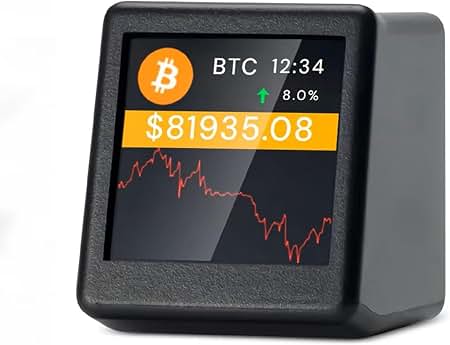

As an Amazon Associate, we may earn from qualifying purchases.
Crypto etfs 2026: what to check next
Investors navigating the 2026 crypto ETF landscape often face the same practical hurdles. Below are the most common questions about performance, selection, and emerging assets.
These questions highlight the current state of the market. While Bitcoin and Ether ETFs have matured, altcoin-specific products remain limited. Always check the latest SEC filings and fund prospectuses before investing.
No comments yet. Be the first to share your thoughts!