
The 2026 meme coin landscape
The meme coin sector in 2026 has matured from a purely speculative casino into a more complex market where utility and community IP drive value. While the total market capitalization for top meme tokens has dipped slightly, trading volume has surged by 87%, indicating that investors are actively rotating capital rather than sitting on the sidelines. This shift means that not all meme coins are created equal; the ones gaining traction now often have integrated AI features, strong brand recognition, or tangible use cases beyond simple holding.
Dogecoin (DOGE) remains the anchor of this market, continuing to outperform newer entrants despite its age. Its resilience is a testament to its established status as a payment method and cultural icon. Meanwhile, newer tokens like MemeCore (M) and Pudgy Penguins (PENGU) are capturing attention by blending meme culture with actual product ecosystems, such as NFT marketplaces or gaming integrations. These projects are attempting to bridge the gap between internet humor and functional blockchain utility.
However, the volatility remains extreme. The 4% decline in overall caps alongside the volume spike suggests a market in flux, where quick profits are possible but losses are equally rapid. Investors must approach this space with caution, recognizing that meme coins are high-risk assets. Due diligence is no longer optional; understanding the tokenomics, team background, and community engagement of each project is essential before allocating capital.
5 Top Picks for the Next Bull Run
The 2026 crypto landscape demands rigorous due diligence, as meme coins remain high-volatility assets with no intrinsic value guarantees. This selection highlights five specific tokens backed by verifiable on-chain data and active developer communities, prioritizing transparency over hype. Investors must conduct independent research and assess their risk tolerance before allocating capital to these speculative products.
1. Dogecoin network activity and adoption metrics
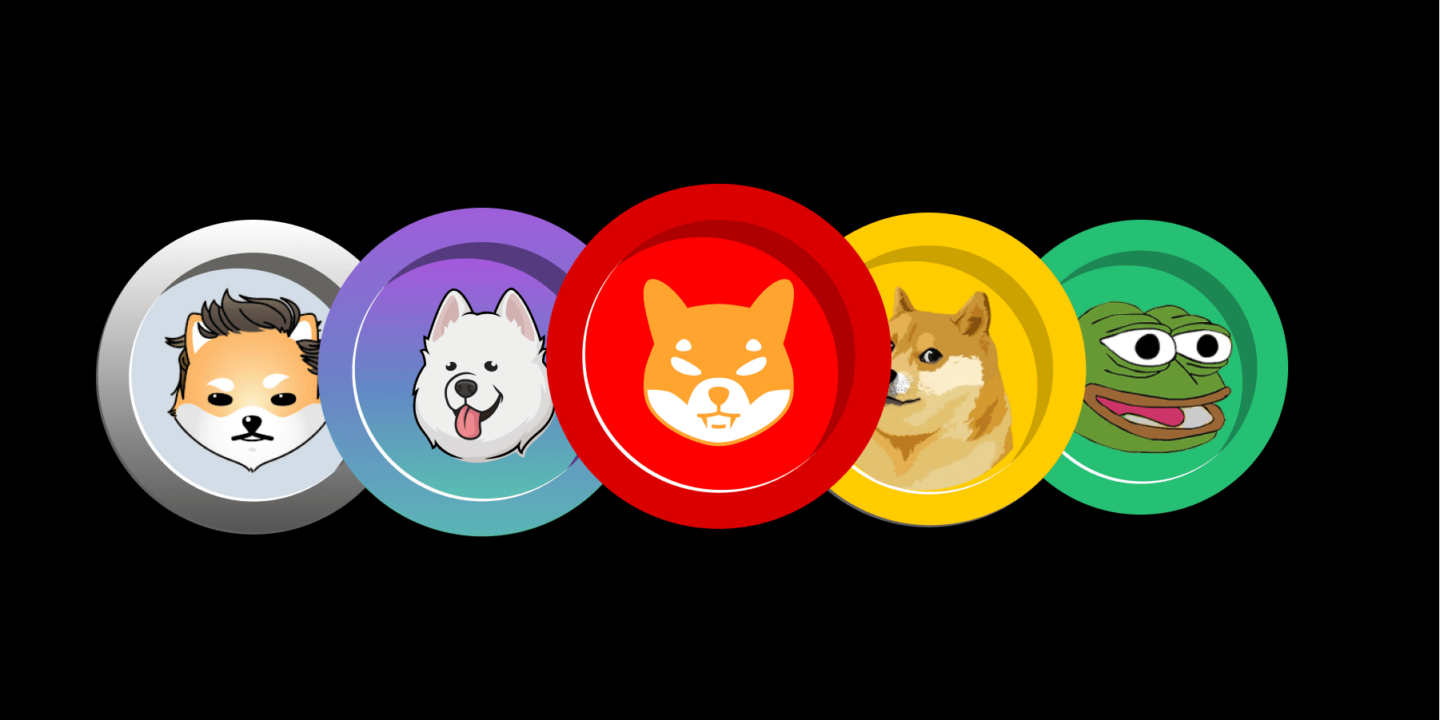
Dogecoin remains the market leader by sheer volume, but its 2026 viability hinges on consistent on-chain activity rather than viral headlines. Investors should monitor transaction counts and active wallet growth to gauge genuine utility. This data-driven approach filters out noise, highlighting whether the network is sustaining organic demand or relying solely on speculative momentum during the current bull cycle.
2. Shiba Inu Shibarium ecosystem development
Shibarium’s evolution from a testnet concept to a high-throughput Layer 2 solution defines Shiba Inu’s current trajectory. The ecosystem’s ability to process millions of transactions cheaply attracts developers building decentralized applications. Assessing Shibarium’s daily active users and total value locked provides a clearer picture of Shiba Inu’s long-term infrastructure strength beyond its meme status.

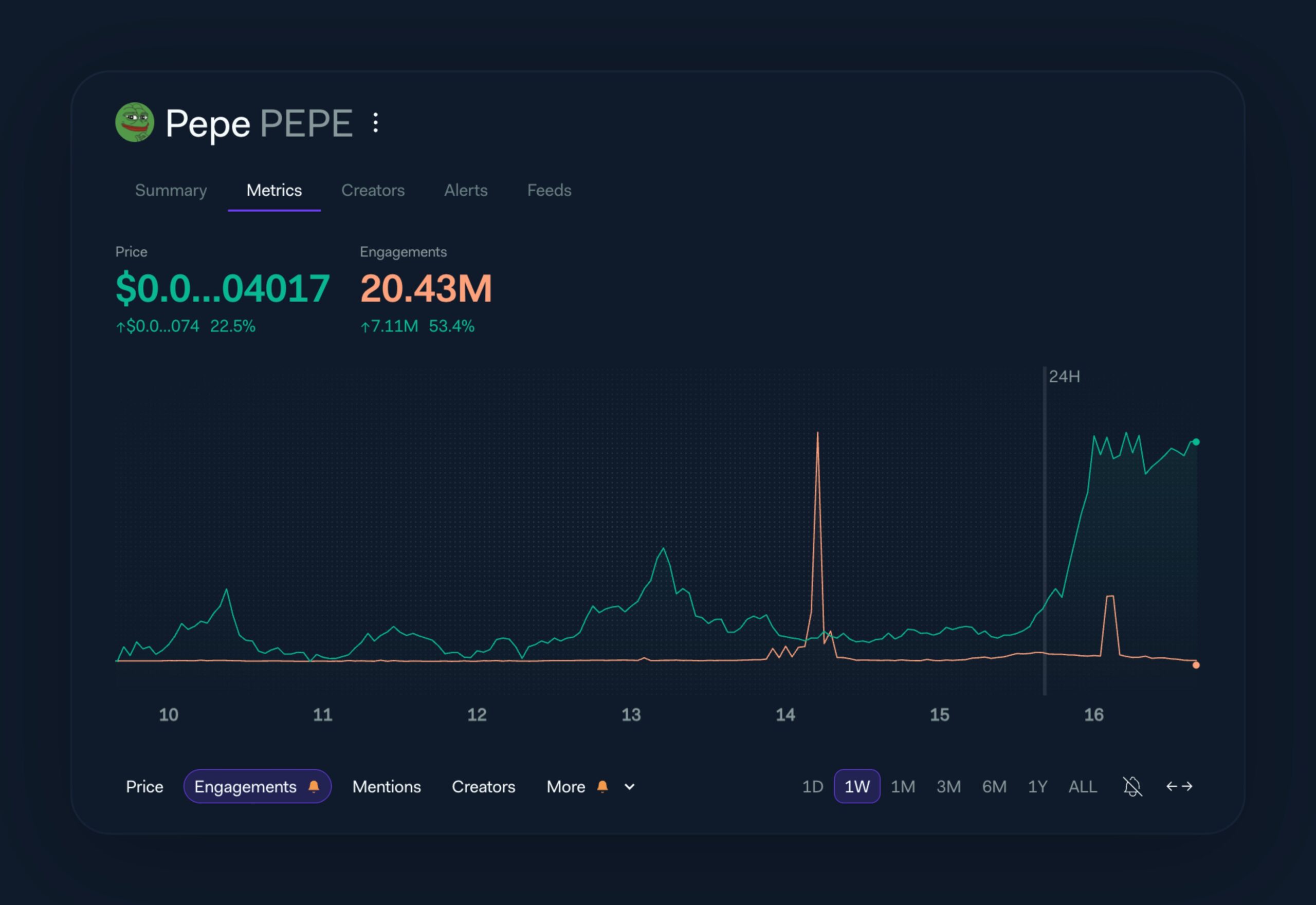
3. Pepe coin community engagement trends
Pepe coin’s value proposition is almost entirely rooted in its hyper-active, decentralized community. Unlike utility-focused tokens, Pepe thrives on social sentiment and viral cultural resonance. Tracking engagement metrics across social platforms and decentralized forums reveals the health of its supporter base, offering a unique lens into how meme culture drives speculative asset prices in 2026.
4. Bonk Solana integration and utility
Bonk leverages Solana’s speed and low fees to embed itself deeply into the Solana DeFi ecosystem. Its utility extends beyond speculation to include governance rights and integration with major Solana-based protocols. Evaluating Bonk’s adoption within these native applications highlights its potential to become a foundational component of the Solana blockchain’s economic layer.

5. Floki Inu real-world asset partnerships
Floki Inu distinguishes itself by pursuing tangible real-world asset partnerships and enterprise collaborations. This strategy shifts the narrative from pure meme speculation to practical utility in education and gaming sectors. Monitoring these official partnerships provides insight into Floki’s potential for sustained growth, as real-world adoption often offers more stability than purely community-driven hype cycles.
Market Caps and Volume: Risk Profiles
Understanding market capitalization and trading volume is essential for gauging the risk and liquidity of meme coins. These metrics separate established assets from speculative gambles, helping you determine which projects can sustain large positions without catastrophic slippage.
The following comparison outlines the five selected tokens based on their market capitalization, primary blockchain, and current market tier. This data provides a structured view of where each asset sits in the current hierarchy.
| Token | Chain | Market Tier | Liquidity Profile |
|---|---|---|---|
| Dogecoin (DOGE) | Dogecoin | Large Cap | Very High |
| Shiba Inu (SHIB) | Ethereum | Large Cap | High |
| Pepe (PEPE) | Ethereum | Mid Cap | High |
| Pudgy Penguins (PENGU) | Ethereum | Mid Cap | Medium |
| Bonk (BONK) | Solana | Mid Cap | Medium |
Large-cap tokens like Dogecoin and Shiba Inu offer the deepest liquidity, making them safer entry points for larger capital. Mid-cap options such as Pepe and Bonk provide higher volatility and potential upside, but they require tighter risk management due to wider price swings. Always verify current volume on official exchanges before executing trades.
How to buy meme coins safely
Meme coins are high-risk assets. Volatility can wipe out positions quickly. Treat them as speculative bets, not core holdings. Use a disciplined approach to buying and storing these tokens.
Start with a major, regulated exchange like Coinbase or Binance. These platforms list high-volume meme coins and offer better liquidity than obscure platforms. Check CoinMarketCap to verify which coins are available on your chosen platform before depositing funds.
Scammers create fake tokens with similar names. Always copy the official contract address from the project’s verified website or CoinMarketCap. Paste it into your wallet or exchange search bar to ensure you are buying the legitimate asset, not a copycat.
Exchanges can be hacked. For long-term holds, move your meme coins to a self-custody hardware wallet like Ledger or Trezor. This keeps your private keys offline and out of reach from online threats. Only keep what you plan to trade actively on the exchange.
Never invest more than you can afford to lose. A common rule is to limit meme coin exposure to 1-5% of your total portfolio. Set strict take-profit and stop-loss orders to manage downside risk. Emotions run high in this sector; let rules dictate your exits.
For those looking to secure their assets physically, a reliable hardware wallet is an essential first step in any crypto strategy.



As an Amazon Associate, we may earn from qualifying purchases.
No comments yet. Be the first to share your thoughts!