

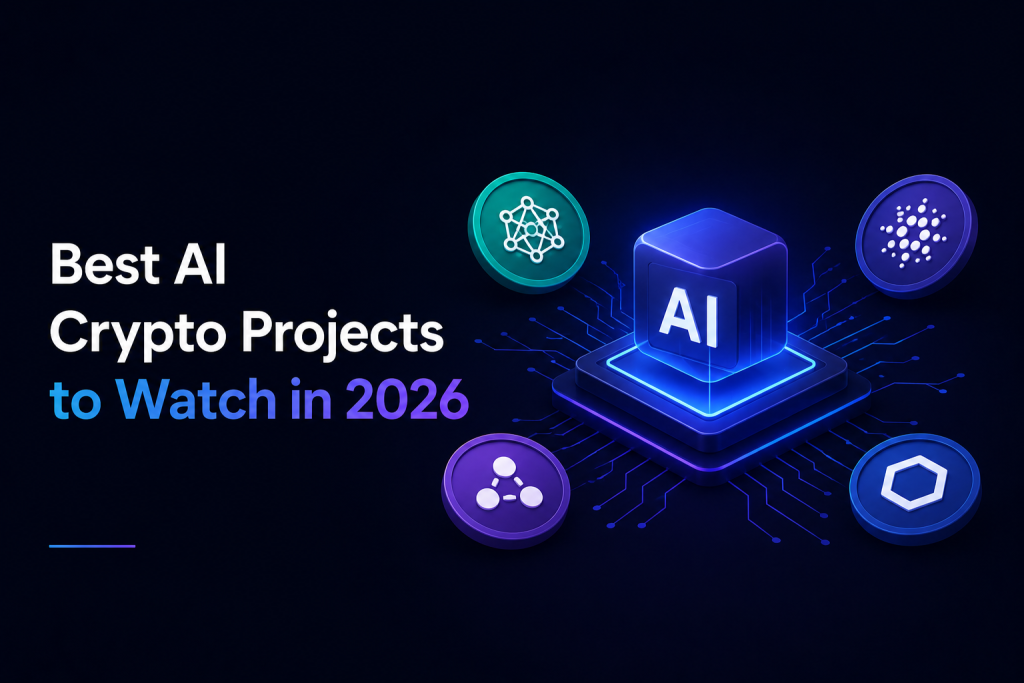
5 Leading AI Crypto Tokens to Watch in 2026
The convergence of artificial intelligence and blockchain infrastructure is reshaping market dynamics, demanding a rigorous evaluation of utility over hype. We analyze five AI crypto tokens grounded in official source data and concrete product functionality to identify assets with sustainable growth potential in 2026.
-
Fetch AI autonomous agent infrastructure
Fetch AI constructs autonomous agent infrastructure enabling machines to negotiate and transact independently. This framework allows developers to deploy specialized agents for complex financial modeling or supply chain optimization. By reducing human intervention in routine data processing, it offers a scalable solution for enterprise automation. The protocol’s focus on interoperable agents distinguishes it from single-purpose AI tools, creating a robust ecosystem for decentralized economic activities. -

Render Network decentralized GPU rendering
Render Network addresses the critical bottleneck of high-performance computing by decentralizing GPU rendering power. Users can rent unused graphical processing units from a global network, significantly lowering costs for 3D artists and AI trainers. This marketplace model ensures efficient resource allocation without the latency of centralized cloud providers. For AI applications requiring massive parallel processing, Render Network provides a resilient, cost-effective alternative to traditional infrastructure providers. -

Bittensor decentralized machine learning network
Bittensor operates as a decentralized machine learning network where miners contribute computational resources to train models. Instead of a single monolithic AI, it aggregates diverse neural networks into a collective intelligence layer. Participants are rewarded based on the quality and novelty of their contributions to the network’s overall performance. This incentive structure encourages continuous innovation and prevents any single entity from controlling the underlying AI logic. -
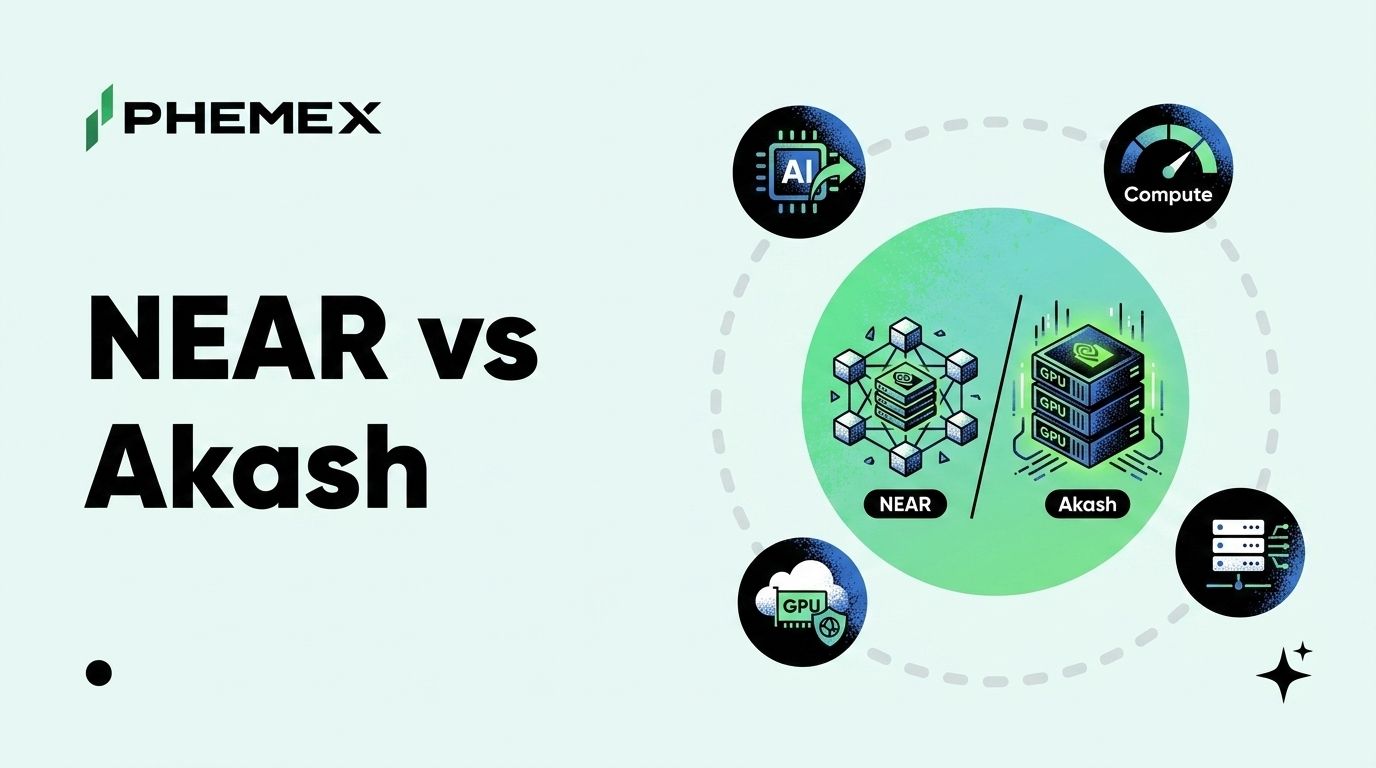
Akash Network decentralized cloud computing
Akash Network provides a decentralized cloud computing marketplace, offering compute power at a fraction of traditional cloud costs. It leverages unused server capacity globally to host AI workloads, containers, and databases. This approach not only reduces expenses but also enhances data sovereignty by avoiding reliance on major tech giants. For AI developers, Akash offers a flexible, scalable infrastructure that adapts to fluctuating computational demands without long-term contracts. -
Ocean Protocol decentralized data marketplace
Ocean Protocol facilitates the secure exchange of data assets through a decentralized marketplace, enabling AI models to access high-quality training data. It uses cryptographic techniques to ensure data privacy while allowing monetization for data providers. This infrastructure solves the data silo problem, allowing organizations to share insights without exposing raw sensitive information. By creating a liquid market for data, Ocean Protocol accelerates AI development while maintaining strict compliance with data governance standards.
AI crypto tokens gain momentum in 2026
The intersection of artificial intelligence and blockchain infrastructure has shifted from speculative narrative to tangible utility in 2026. Institutional capital is increasingly targeting decentralized compute networks, stablecoins, and tokenized assets as the primary vectors for this convergence. This shift is not merely about trading tokens; it is about accessing the underlying computational resources required to train and run advanced AI models without relying on centralized cloud providers.
Decentralized AI infrastructure addresses the critical bottleneck of data privacy and computational scarcity. By distributing machine learning tasks across a peer-to-peer network, projects like Bittensor and Render Network allow users to rent out unused GPU power or contribute to model training in exchange for token rewards. This creates a market-driven economy for AI development, lowering barriers to entry for researchers and developers who cannot afford enterprise-grade hardware.
Market Context: The 2026 landscape is defined by a move away from centralized AI monopolies toward open, verifiable, and decentralized compute networks. This structural change is attracting significant institutional interest, as noted in recent market analyses from major exchanges like Binance, which highlight AI and tokenization as key sectors for the year.
Investing in this sector requires a focus on concrete product utility rather than abstract promises. The leading tokens are those that have established working protocols for data exchange, compute distribution, or AI agent execution. As the technology matures, the distinction between "AI coins" and traditional infrastructure assets will blur, with success determined by actual network usage and real-world adoption rather than marketing hype.
How to evaluate AI blockchain projects
Distinguishing genuine infrastructure from speculative hype requires a disciplined audit of on-chain activity and token utility. The market is saturated with projects claiming AI capabilities, but only a fraction deliver measurable compute or data services. Evaluate each token against three concrete criteria: active node participation, verifiable revenue streams, and transparent governance.
First, verify the network's operational health. Look for consistent validator or node counts that indicate real-world usage rather than inflated marketing metrics. Projects like Bittensor (TAO) and Render Network (RNDR) demonstrate utility through decentralized compute markets, where users pay for processing power or rendering services. If a token lacks a clear mechanism for value accrual—such as fees paid to stakers or node operators—it likely functions as a pure speculation vehicle.
Second, assess the team's technical credibility and roadmap execution. AI blockchain projects require significant engineering resources. Review their GitHub activity, whitepaper revisions, and partnerships with established AI research labs. Avoid projects that rely solely on buzzwords without detailing their architecture or data sourcing methods. Transparency in development progress is a stronger signal than ambitious whitepaper promises.
Finally, examine the token's economic model. A healthy tokenomics structure aligns incentives between developers, validators, and users. Look for mechanisms that reward long-term holding and network participation, such as staking rewards tied to performance metrics. Be wary of tokens with high inflation rates or concentrated holdings among early investors, as these structures often lead to price volatility disconnected from fundamental value.

As an Amazon Associate, we may earn from qualifying purchases.
Risks in the AI Crypto Market
AI-driven crypto assets operate at the intersection of two highly volatile sectors, creating a unique risk profile that demands caution. Unlike established cryptocurrencies with clear utility narratives, many AI tokens rely on speculative adoption curves for decentralized machine learning networks. This dual exposure amplifies price swings, often decoupling from broader market trends as regulatory scrutiny intensifies.
Regulatory uncertainty remains the primary headwind. As governments worldwide draft frameworks for artificial intelligence and digital assets simultaneously, compliance costs can shift rapidly. Projects lacking clear governance structures or transparent tokenomics face immediate delisting risks or legal challenges. Investors must distinguish between tokens with actual computational demand and those driven purely by hype.
Focus on concrete product utility rather than abstract speculation. Evaluate whether a token powers real-world inference tasks or serves as a governance mechanism for a functional network. Avoid chasing narratives without verified on-chain activity or institutional partnerships. The market rewards durability, not just novelty.
Frequently asked questions about AI tokens


As an Amazon Associate, we may earn from qualifying purchases.
No comments yet. Be the first to share your thoughts!