Start with crypto staking 2026
Staking rewards vary wildly based on network security, lock-up periods, and validator reliability. This guide breaks down five distinct opportunities for 2026, focusing on real yield potential versus risk. We prioritize assets with proven track records and clear economic incentives over speculative hype.
5 High-Yield Crypto Staking Opportunities in 2026
Choosing the right asset requires balancing annual percentage yield (APY) with liquidity needs and security risks. Below are five categories that currently offer compelling risk-adjusted returns.
1. Ethereum (ETH) Staking via Liquid Derivatives
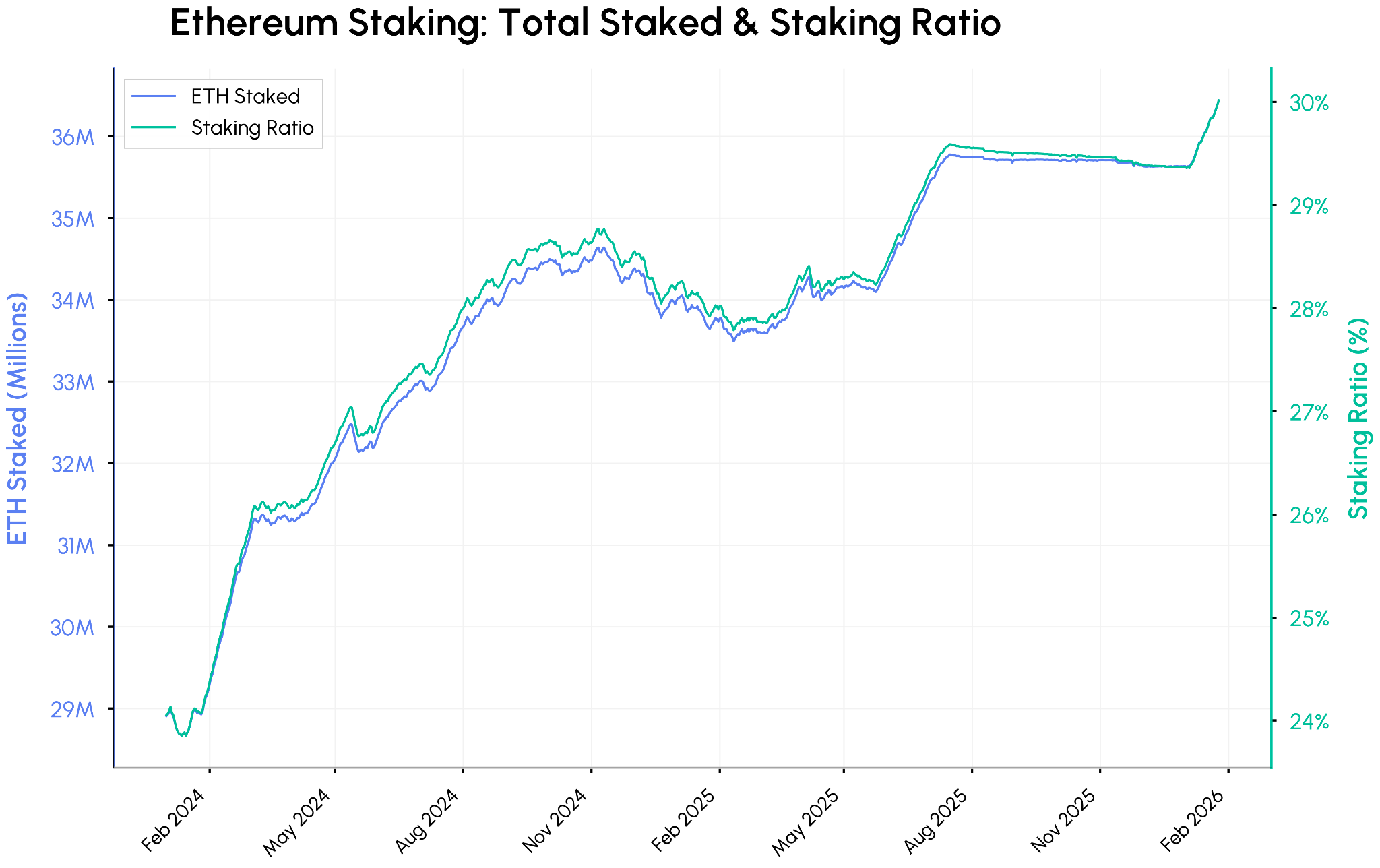
Ethereum remains the gold standard for staking due to its massive network effect and deflationary tokenomics. Direct staking requires 32 ETH, which is prohibitive for most. Instead, use liquid staking protocols like Lido (stETH) or Rocket Pool (rETH).
- Yield: ~3-5% APY (variable based on MEV and fees)
- Risk: Smart contract risk of the protocol; de-pegging risk of the liquid token.
- Why it works: You retain liquidity. You can use stETH in DeFi while earning staking rewards, effectively stacking yields. For 2026, Ethereum’s transition to full proof-of-stake efficiency continues to drive demand for its security layer.
2. Solana (SOL) Delegated Staking
n Solana offers one of the highest yields among major layer-1 blockchains due to its high transaction throughput and low fees. Delegating to a reliable validator is straightforward via wallets like Phantom or Solflare.
- Yield: ~7-9% APY
- Risk: Network outages (historical issue, improving); validator slashing (rare but possible if they misbehave).
- Why it works: The high throughput attracts developers and users, driving demand for SOL. The yield compensates for the slightly higher volatility compared to ETH. Choose validators with high uptime and reasonable commission rates (5-10%).
3. Cosmos (ATOM) Interchain Security
The Cosmos ecosystem allows for interchain security, where a central hub (Cosmos Hub) provides security to application chains. Staking ATOM allows you to earn rewards from the hub and potentially from the dApps secured by it.
- Yield: ~15-20% APY (varies significantly by ecosystem growth)
- Risk: High inflation rate of ATOM; complexity of understanding which chains benefit from shared security.
- Why it works: If you believe in the multi-chain future, ATOM is the bet on that infrastructure. The high yield reflects the higher inflation required to secure the network. Monitor the adoption of new chains using Cosmos SDK.
4. Polkadot (DOT) Parachain Slots
Polkadot’s model involves nominating validators to secure parachains. The yield is distributed across the network, with bonuses for those who secure high-value parachains.
- Yield: ~12-15% APY
- Risk: Network complexity; potential for lower yields if parachain demand drops.
- Why it works: Polkadot’s interoperability focus is gaining traction in enterprise and cross-chain DeFi. The staking mechanism is robust, and the yield is generally stable as long as parachain auctions remain competitive.
5. High-Yield Layer-2s (e.g., Arbitrum, Optimism)
Layer-2 solutions on Ethereum are becoming increasingly lucrative. While native staking isn’t always available, governance tokens often offer high yields through token emissions and fee sharing.
- Yield: 10-30% APY (highly variable)
- Risk: Token inflation; regulatory uncertainty around governance tokens.
- Why it works: As Ethereum scaling matures, L2s capture significant transaction volume. Staking or locking governance tokens can yield substantial returns from protocol revenue. This is a higher-risk, higher-reward play suitable for diversified portfolios.
Pick the right fit
Before committing capital, assess your personal constraints. Do you need immediate liquidity? If so, stick to liquid staking derivatives like stETH. Are you willing to lock assets for months? Delegated staking on Solana or Polkadot may offer better yields. Always diversify across at least two networks to mitigate protocol-specific risks.
-
Verify the basicsConfirm the core specs, condition, and fit before comparing extras.
-
Price the downsideLook for the repair, maintenance, or replacement cost that would change the decision.
-
Compare alternativesCheck at least two comparable options before treating one listing as the benchmark.
What to check next
The crypto landscape shifts rapidly. In 2026, regulatory clarity and network upgrades will significantly impact yields. Regularly review your staking positions and rebalance if a protocol’s risk profile changes.
Helpful gear
Use these product recommendations as a starting point, then choose the size, material, and price point that fit how you actually use the gear.

As an Amazon Associate, we may earn from qualifying purchases.
No comments yet. Be the first to share your thoughts!