

Why 2026 favors institutional-grade altcoins
The crypto market in 2026 is defined by a structural shift from retail speculation to institutional infrastructure. While previous cycles were driven by speculative retail interest, current capital flows are increasingly directed toward established, high-utility altcoins that offer tangible value to traditional finance. This transition is largely facilitated by recent regulatory clarity and the expansion of spot exchange-traded funds (ETFs), which have lowered the barrier for institutional entry while raising the compliance standards for market participants.
Regulatory frameworks have become more predictable, allowing large asset managers to allocate capital with greater confidence. The approval and expansion of spot crypto ETFs have not only legitimized the asset class but also created a direct pipeline for institutional capital. This environment favors projects that can demonstrate robust governance, security, and real-world utility, as these are the primary metrics used by institutional due diligence teams.
Ethereum (ETH) remains the institutional backbone of the crypto ecosystem, providing the security and decentralization required for large-scale financial applications. Its dominance is reinforced by its role as the settlement layer for many institutional DeFi protocols. Meanwhile, Solana (SOL) has emerged as a high-speed alternative, attracting institutions focused on transaction throughput and low costs for high-frequency trading and payment applications. These assets are no longer just speculative tokens; they are critical components of the digital financial infrastructure.
5 Best Crypto Coins 2026: Top 5 Altcoins for Institutional Adoption
Institutional capital allocation in 2026 prioritizes regulatory clarity and scalable infrastructure over speculative volatility. The following five altcoins are selected based on verified enterprise partnerships, established compliance frameworks, and documented integration with traditional financial rails.
1. Ethereum Layer 2 scaling infrastructure
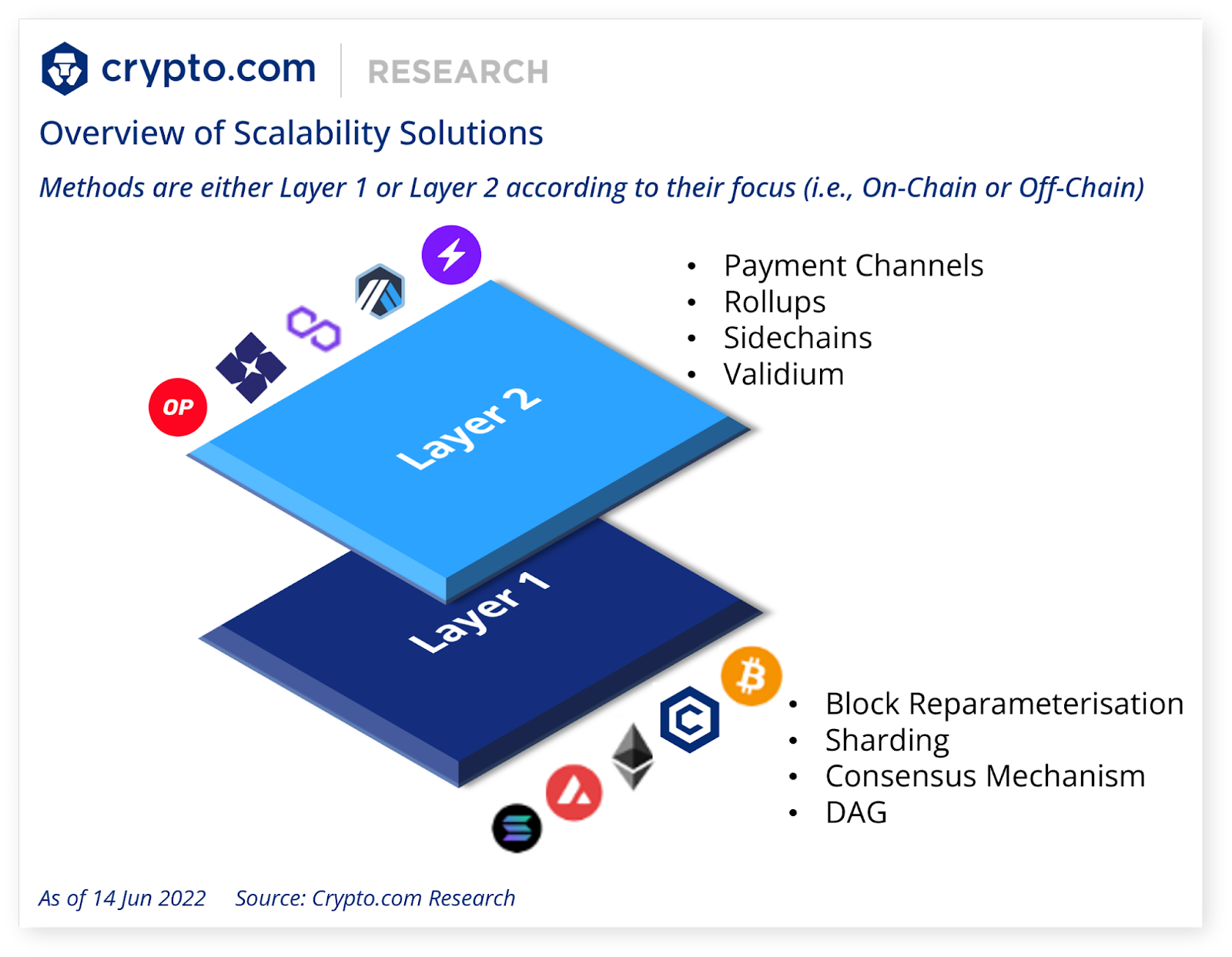
Ethereum’s base layer faces throughput limits, making Layer 2 rollups essential for institutional transaction volumes. These solutions process data off-chain while settling on Ethereum, ensuring security without sacrificing speed. Major networks like Arbitrum and Optimism now handle enterprise-grade workloads, offering the scalability required for high-frequency financial applications and cross-border payments.
2. Bitcoin-backed institutional custody solutions
Institutional adoption hinges on secure, regulated storage for Bitcoin reserves. Custody providers now offer insured, multi-signature vaults compliant with SOC 2 and ISO standards, addressing the primary risk barrier for corporate treasuries. These solutions integrate seamlessly with existing financial infrastructure, allowing institutions to hold Bitcoin as a strategic asset without managing private keys directly.
3. Real-world asset tokenization platforms
Tokenizing real-world assets bridges traditional finance with blockchain efficiency. Platforms enabling fractional ownership of real estate, bonds, and commodities allow institutions to unlock liquidity in illiquid markets. This infrastructure reduces settlement times from days to minutes, lowering counterparty risk and operational costs while providing transparent, auditable ownership records on distributed ledgers.

4. Enterprise-grade stablecoin settlement networks
Stablecoins provide the speed of blockchain with the stability of fiat, crucial for enterprise treasury management. Dedicated settlement networks offer instant, low-cost cross-border payments, eliminating traditional banking delays and fees. These systems integrate with existing ERP software, allowing corporations to manage global cash flows efficiently while maintaining strict audit trails and regulatory reporting standards.
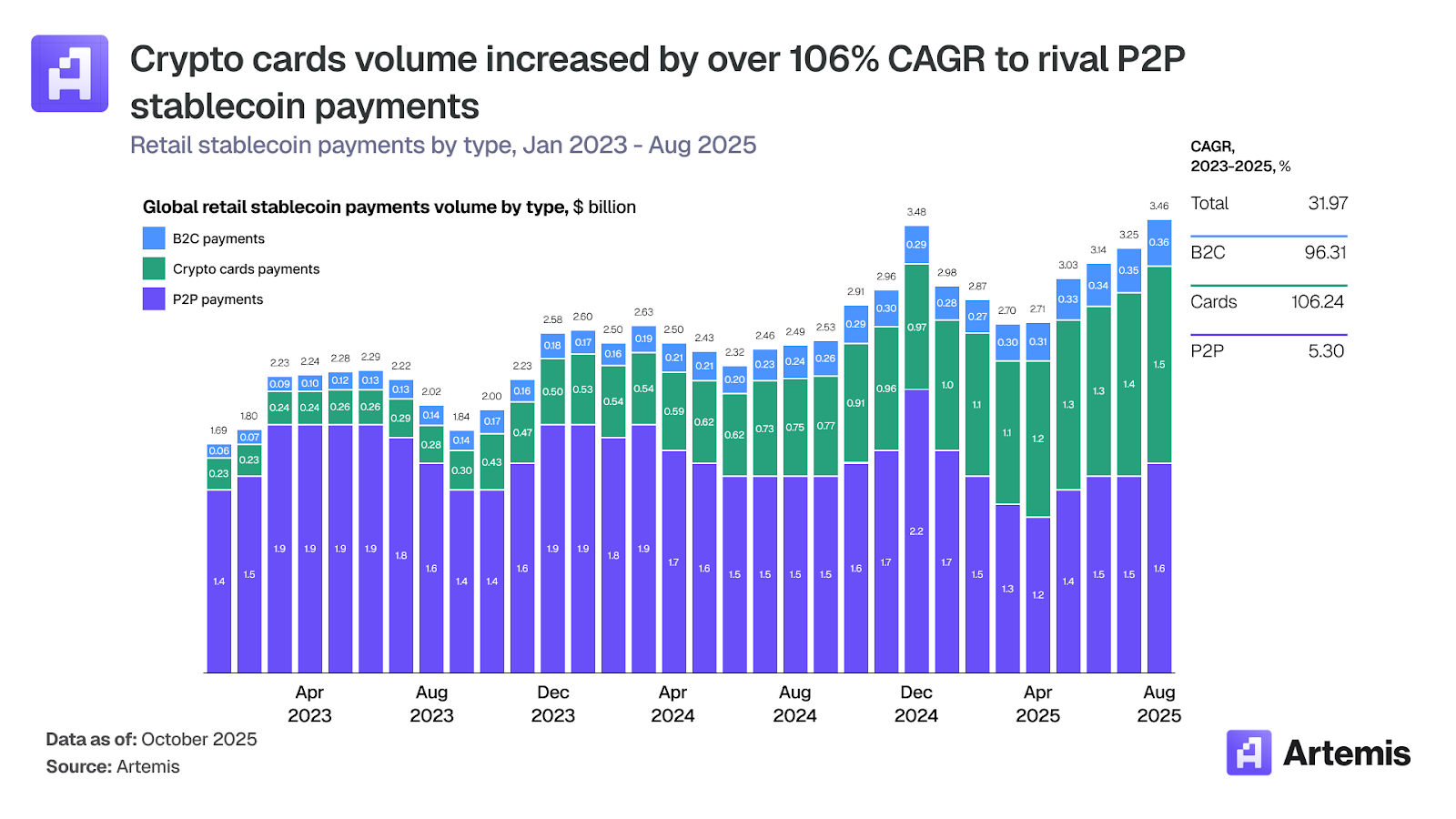
- Instant cross-border payments
- Treasury management integration
5. Privacy-preserving compliance protocols
Balancing privacy with regulatory requirements is critical for institutional crypto adoption. Privacy-preserving compliance protocols enable confidential transactions while allowing authorized audits through zero-knowledge proofs. These tools ensure that sensitive financial data remains protected from public exposure, satisfying both data security needs and anti-money laundering regulations without compromising transactional efficiency or user anonymity.

How to evaluate crypto assets for 2026
Institutional adoption in 2026 relies on structural durability rather than speculative momentum. When assessing altcoins for long-term viability, focus on three pillars: regulatory compliance, developer activity, and real-world usage. These metrics separate sustainable networks from those driven by temporary hype.
Regulatory compliance is the first filter. Assets that align with existing financial frameworks, such as those meeting Know Your Customer (KYC) standards or operating within clear jurisdictional boundaries, face fewer existential risks. Privacy coins like Zcash have shown volatility, surging 1,870% in 2025, but their regulatory uncertainty makes them less attractive for conservative institutional portfolios compared to compliant infrastructure plays.
Developer activity serves as a proxy for network health. Look for consistent commits and active maintenance on GitHub, particularly for projects like Bittensor, which integrates AI capabilities. Bittensor limits new token issuance to boost scarcity, a structural feature that appeals to institutional risk managers. A silent development team often signals a project that has stalled or abandoned its roadmap.
Finally, prioritize real-world usage. An asset’s value is tied to its utility in solving specific problems, whether in supply chain management, cross-border payments, or decentralized finance. Avoid assets that rely solely on marketing narratives. Instead, seek projects with measurable transaction volumes and active user bases, as these indicators provide a clearer picture of long-term sustainability.
Where to buy these top crypto coins
Acquiring the leading altcoins requires selecting a platform that balances security with liquidity. For most institutional and serious retail participants, established exchanges like Coinbase or Binance provide the necessary infrastructure for large-volume trades without slippage. These platforms offer deep order books, ensuring that entries and exits for assets like Bitcoin and Ethereum remain efficient.
Security should dictate your choice of exchange. Look for platforms that maintain proof of reserves and employ cold storage for the majority of user funds. Regulatory compliance is equally important; operating within jurisdictions that enforce strict KYC/AML standards reduces the risk of account freezes or sudden service interruptions. Avoid obscure or unregulated venues that promise anonymity at the cost of asset safety.
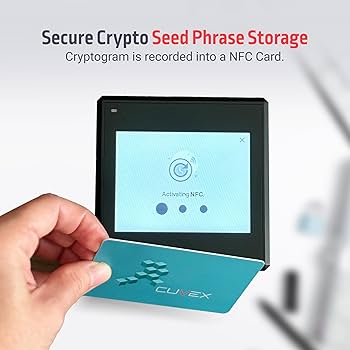
Once purchased, the coins must move off the exchange. Leaving significant holdings on a trading platform exposes them to counterparty risk. Transitioning assets to a self-custody solution, such as a hardware wallet, is the standard protocol for long-term holding. This separation of storage and trading ensures that your investment remains under your direct control.


As an Amazon Associate, we may earn from qualifying purchases.
Frequently Asked Questions About 2026 Crypto Trends
Which altcoins are best positioned for institutional adoption in 2026? Institutional capital is currently prioritizing assets with established regulatory clarity and enterprise-grade infrastructure. Bitcoin (BTC) and Ethereum (ETH) remain the primary vehicles for this adoption due to their liquidity and proven track records. Other altcoins gaining traction are those offering specific utility, such as real-world asset tokenization or scalable layer-2 solutions, rather than speculative meme coins.
Is it safe to hold crypto long-term through 2026? Long-term holding requires strict self-custody and security hygiene. While the underlying technology is robust, the risk lies in exchange failures or private key mismanagement. Investors typically use hardware wallets for storage and rely on regulated, audited platforms for trading. Diversification across BTC and ETH mitigates the volatility inherent in smaller cap altcoins.
How does institutional interest affect retail investors? Institutional entry often stabilizes prices but can also reduce the explosive growth potential seen in earlier cycles. The market structure is shifting from pure speculation to value-based investing. Retail investors benefit from increased liquidity and better market infrastructure but should expect lower volatility compared to the 2021 bull run.
What role do ETFs play in the 2026 market cycle? Spot ETFs have lowered the barrier to entry for traditional finance, bringing billions in passive inflows. This creates a floor for asset prices and reduces reliance on direct exchange trading. The approval and growth of Ethereum and potential altcoin ETFs signal a maturation of the asset class, making it a staple in diversified portfolios.
No comments yet. Be the first to share your thoughts!